
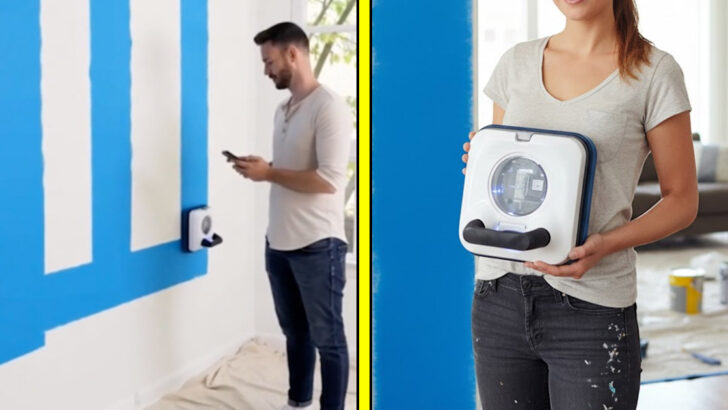
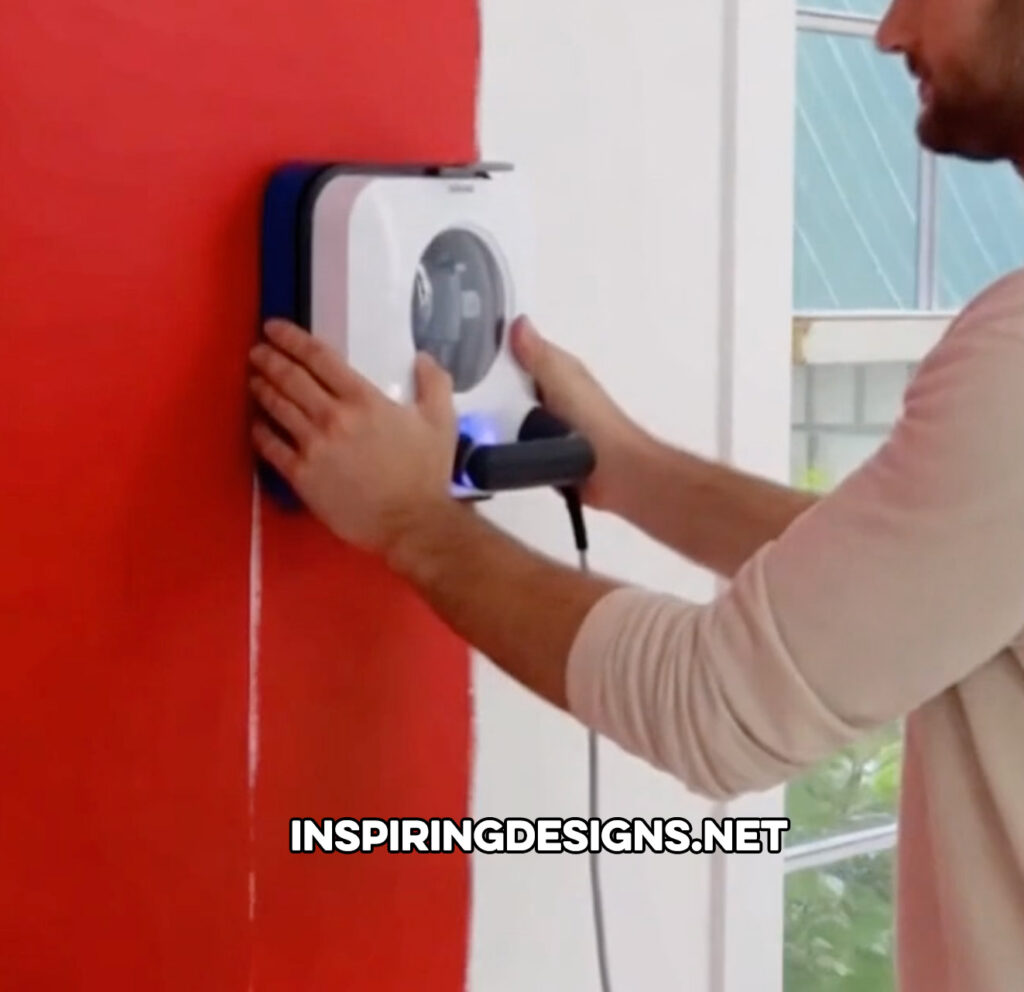
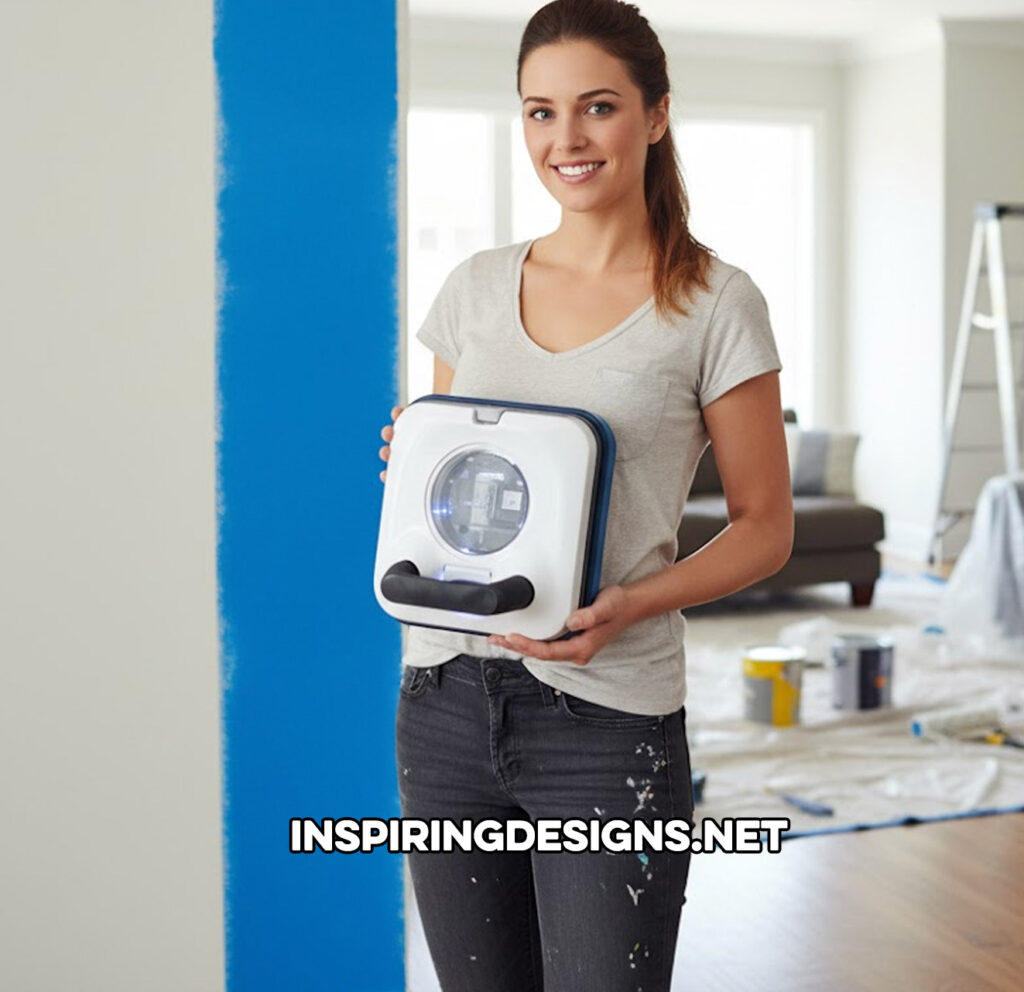
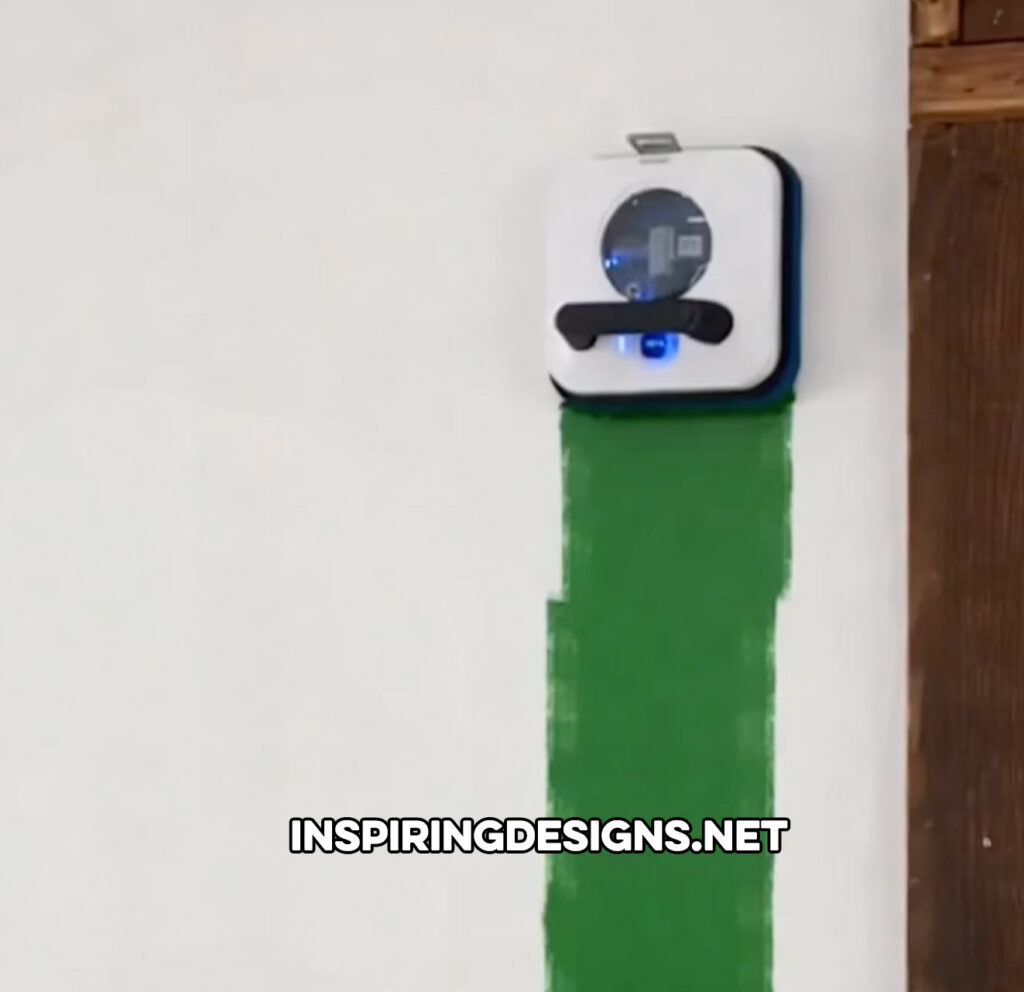
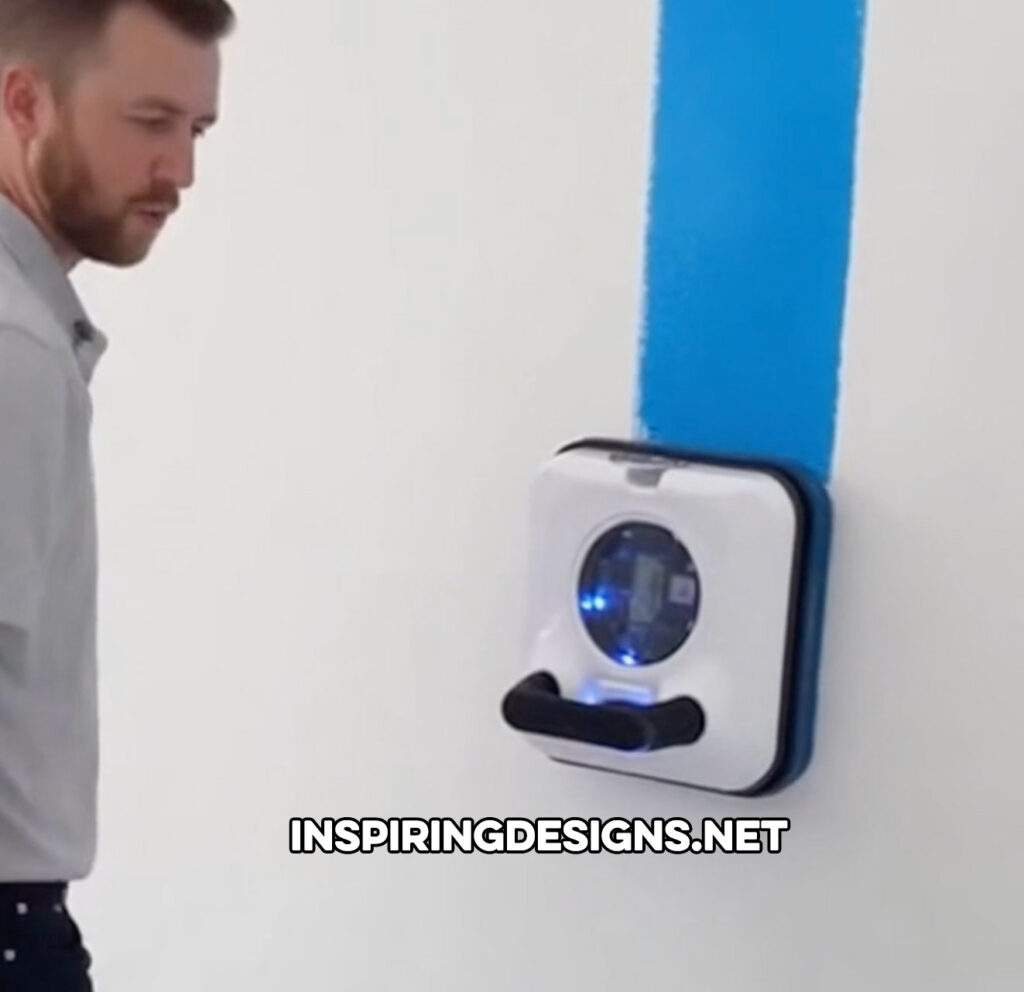
The era of dripping rollers, uneven coats, and aching shoulders is finally fading. An automatic wall painting robot can take over one of the most tedious home improvement tasks and turn it into an oddly satisfying show of precision. Picture a compact square robot that clings to your wall with strong suction, glides in straight lines, and lays down a velvety coat of color. You seip coffee. It paints. Your living room ends up looking like a magazine spread.
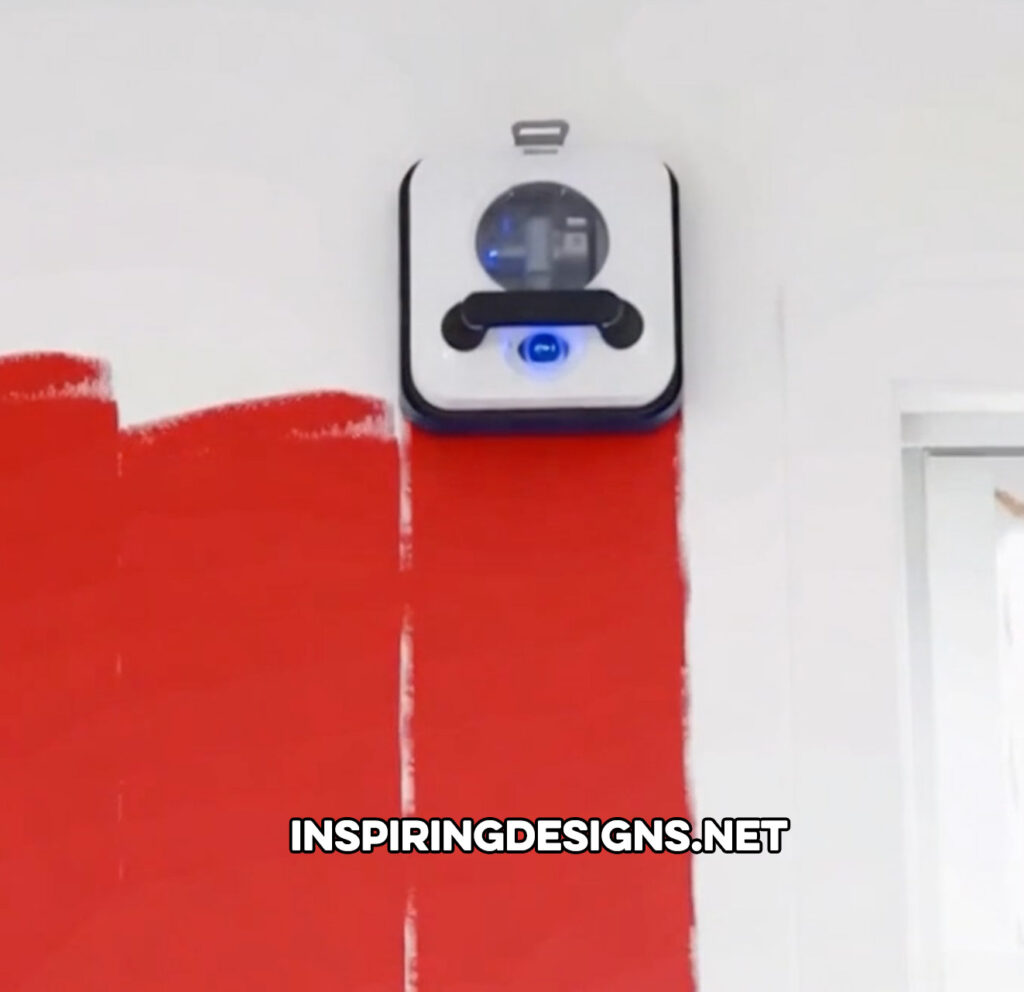
If you love the instant transformation that paint delivers but dislike taping, cleanup, and sore arms, this gadget is your new favorite tool. Below is everything you need to know before you bring a wall painting robot into your home.
What Is An Automatic Wall Painting Robot
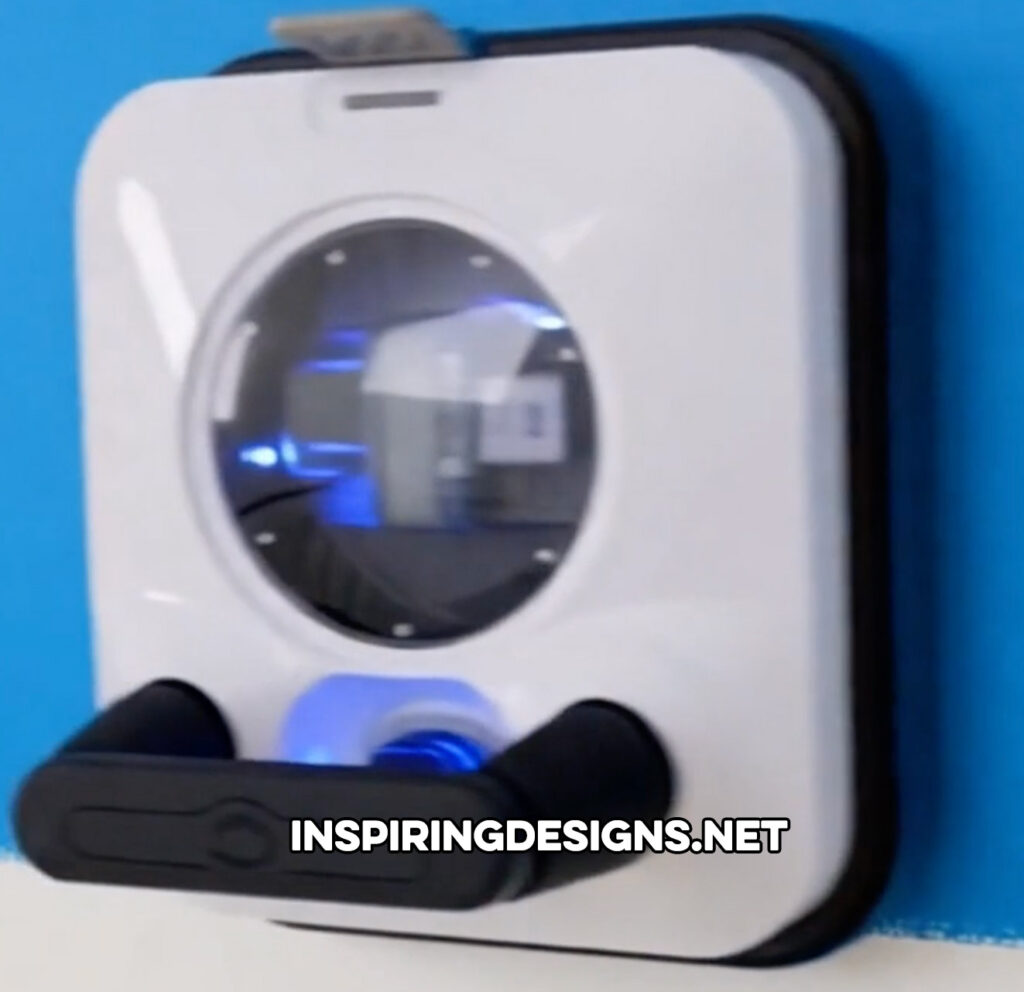
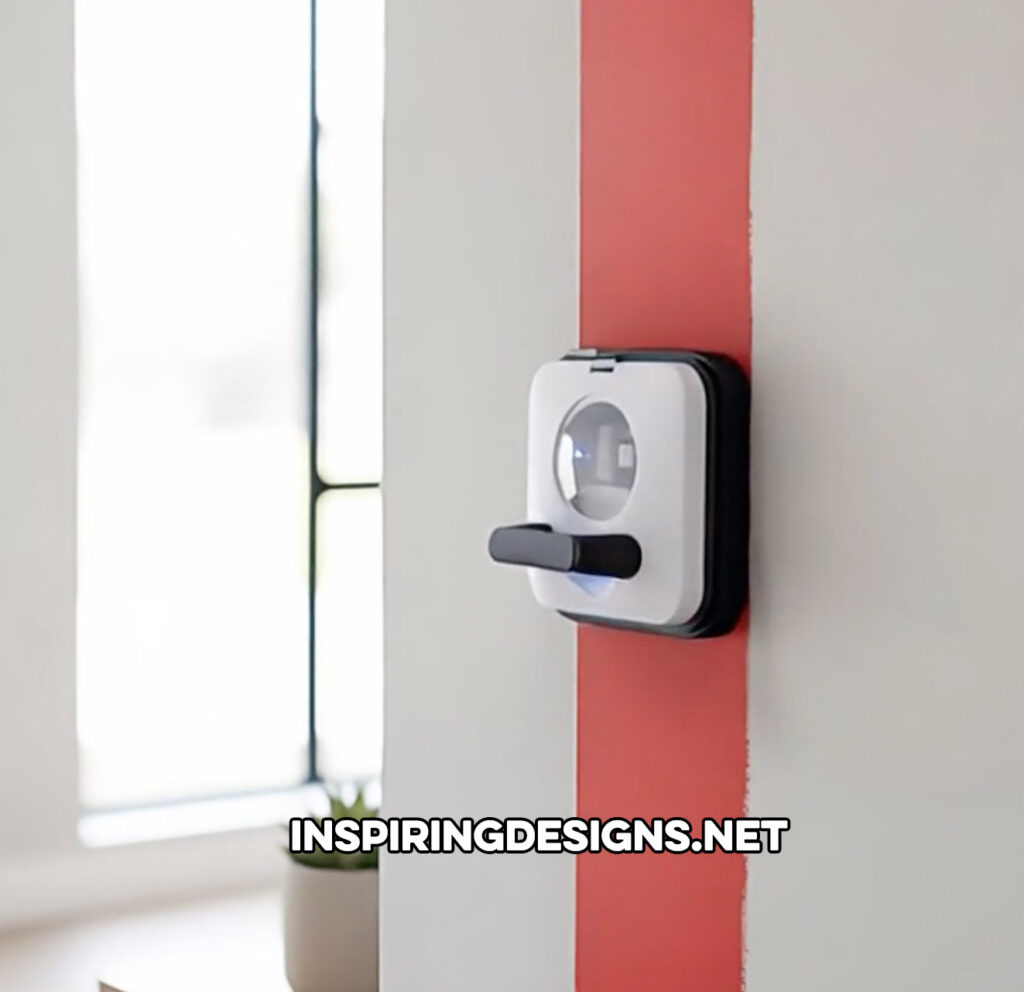
An automatic wall painting robot is a smart device that attaches to vertical surfaces using a built-in suction system. It maps the wall, follows a grid pattern to cover large areas, and switches to an edge mode for sharp borders near ceilings, baseboards, and trims. Most models include an internal paint reservoir, interchangeable rollers or pads, and a mobile app for full control. You get professional-looking results without having to master a brush or climb ladders.
How It Works
- Suction and Stability
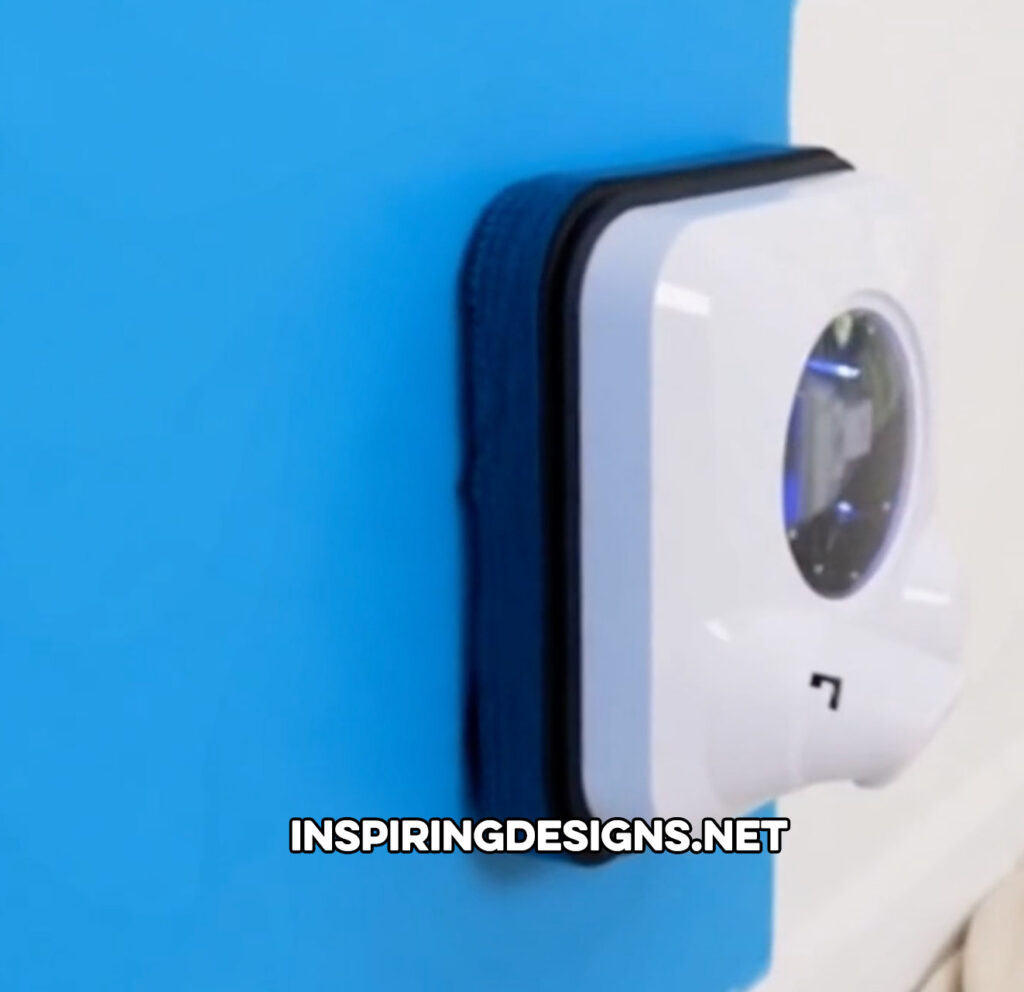
A high-torque vacuum motor pulls the device snugly to the wall. Rubberized edges maintain a tight seal while sensors constantly monitor pressure so the robot stays secure on flat drywall, light textures, or slightly uneven finishes. - Smart Mapping
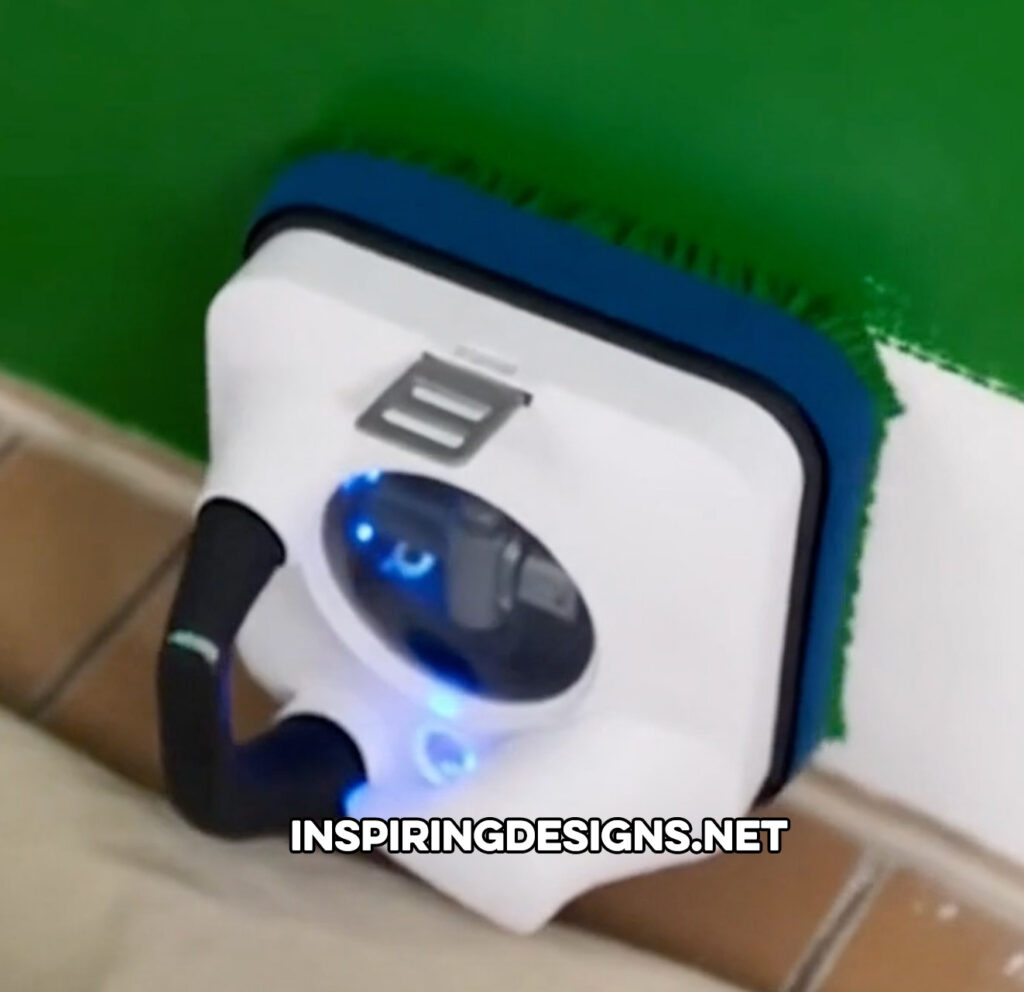
The onboard system scans the wall and generates a grid path. It travels in tidy lanes to avoid missed spots or heavy overlap. When the central area is complete, it automatically shifts to edge mode to trace corners and trim. - Adaptive Paint Flow
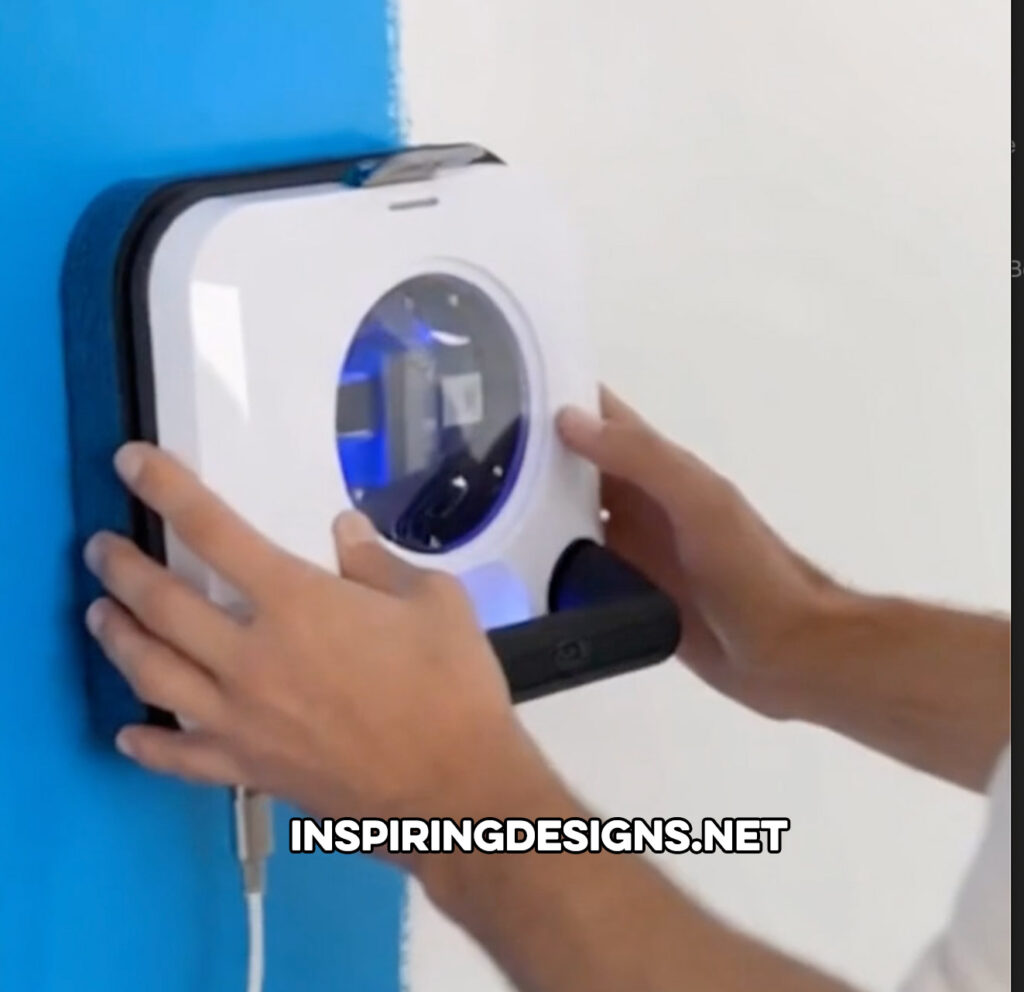
An internal reservoir holds up to one liter of paint and feeds soft-contact rollers or precision nozzles. Flow is adjusted to match your paint type and wall texture so coverage stays consistent. - Phone Control
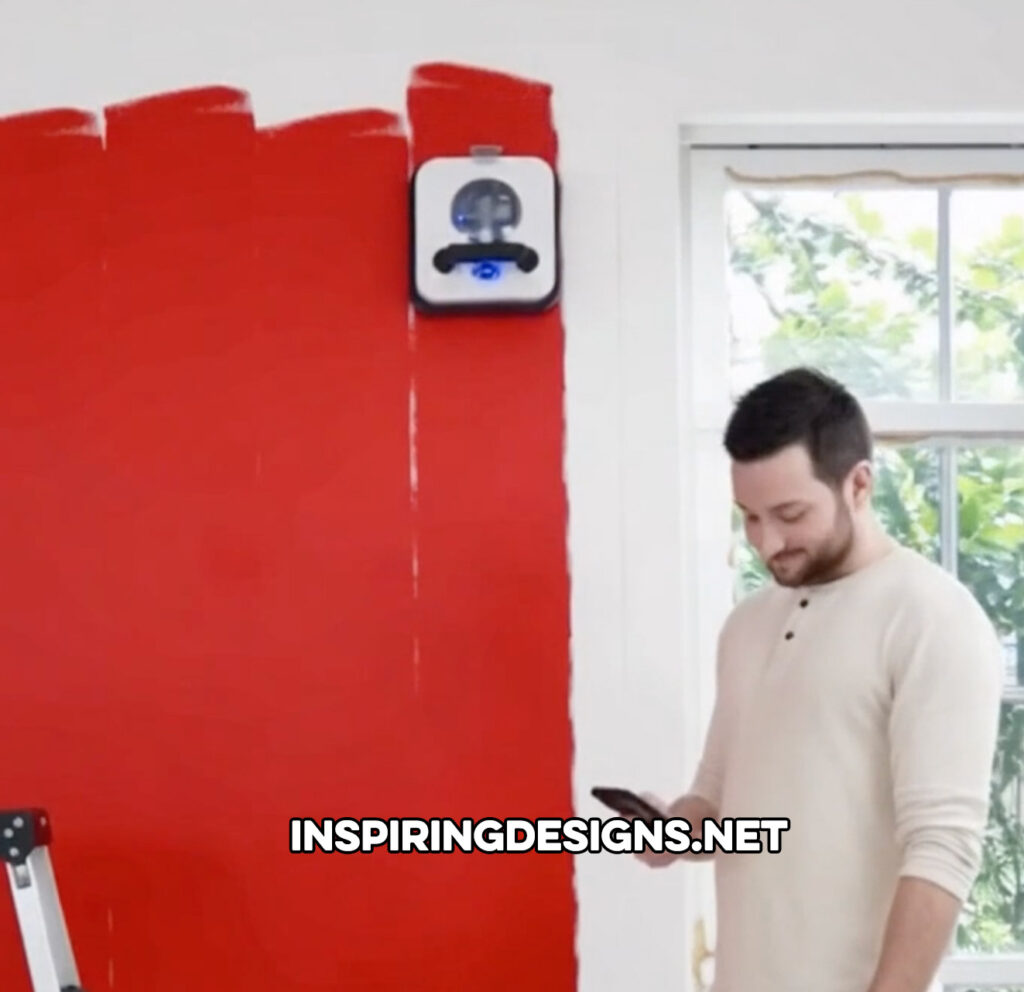
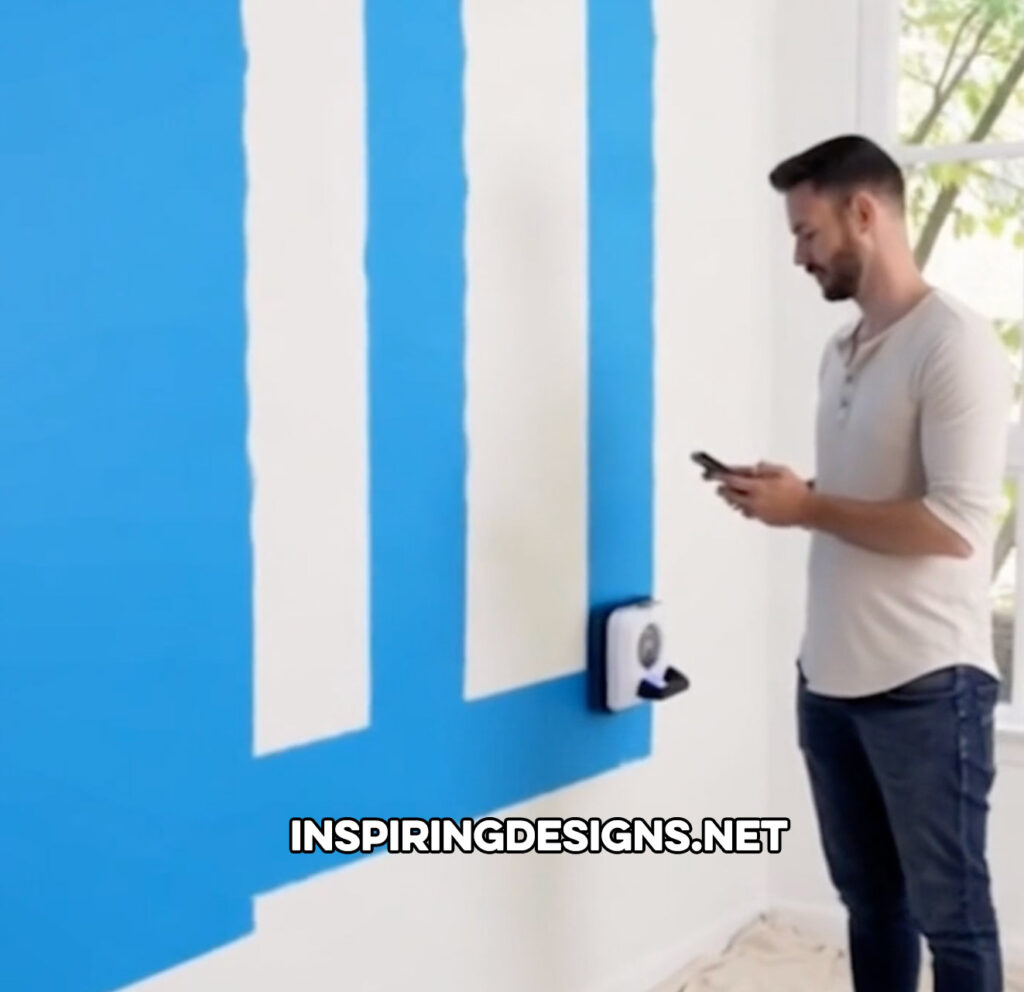
Open the app to start or pause painting, set zones, adjust speed, check paint levels, and estimate coverage. You can paint one wall, skip a windowed section, or pause for color changes without touching the device. - Power Options
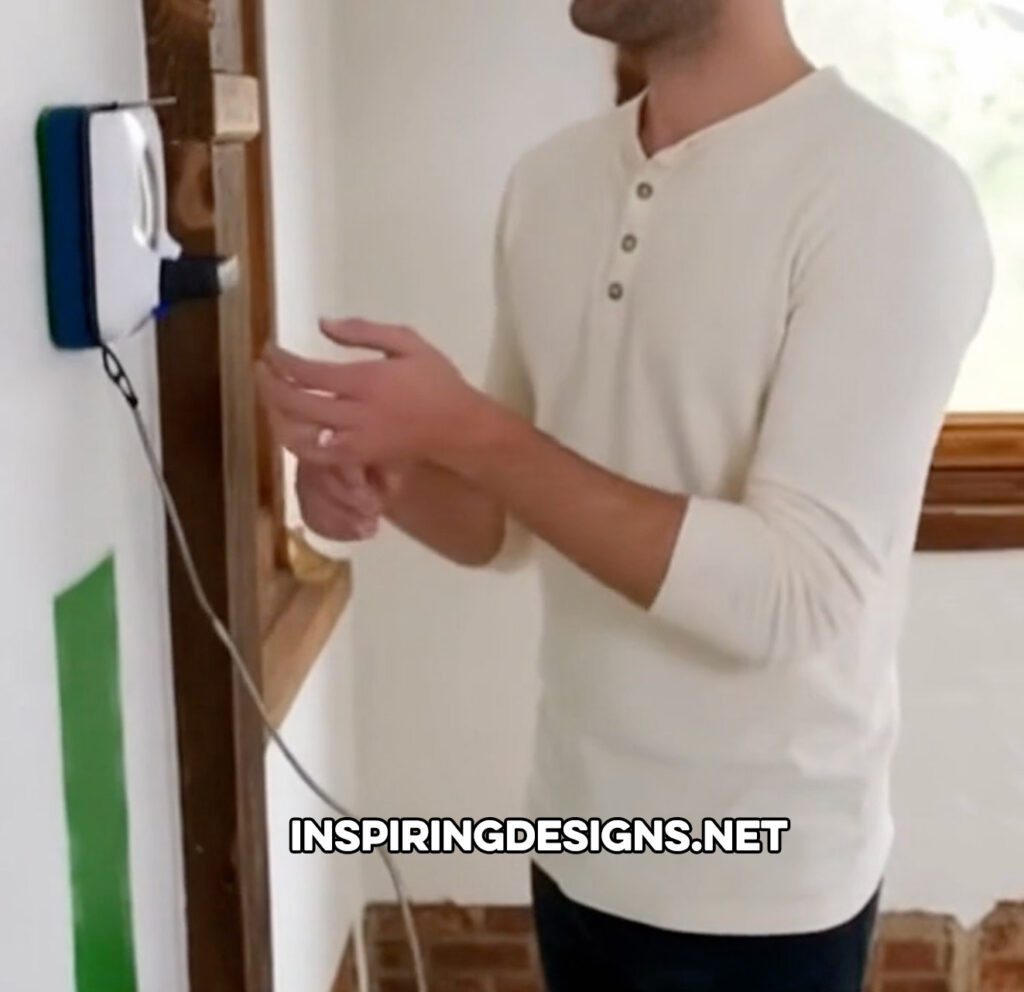
A rechargeable lithium-ion battery runs for two to three hours. For whole-house projects, plug-in power keeps it rolling without breaks.
Core Benefits
- Hands-free painting that looks smooth and even
- Consistent edges using optical and proximity sensors
- Minimal mess since paint flows from a closed reservoir
- Lower physical strain for adults of all ages
- Time savings compared with taping, rolling, and climbing ladders
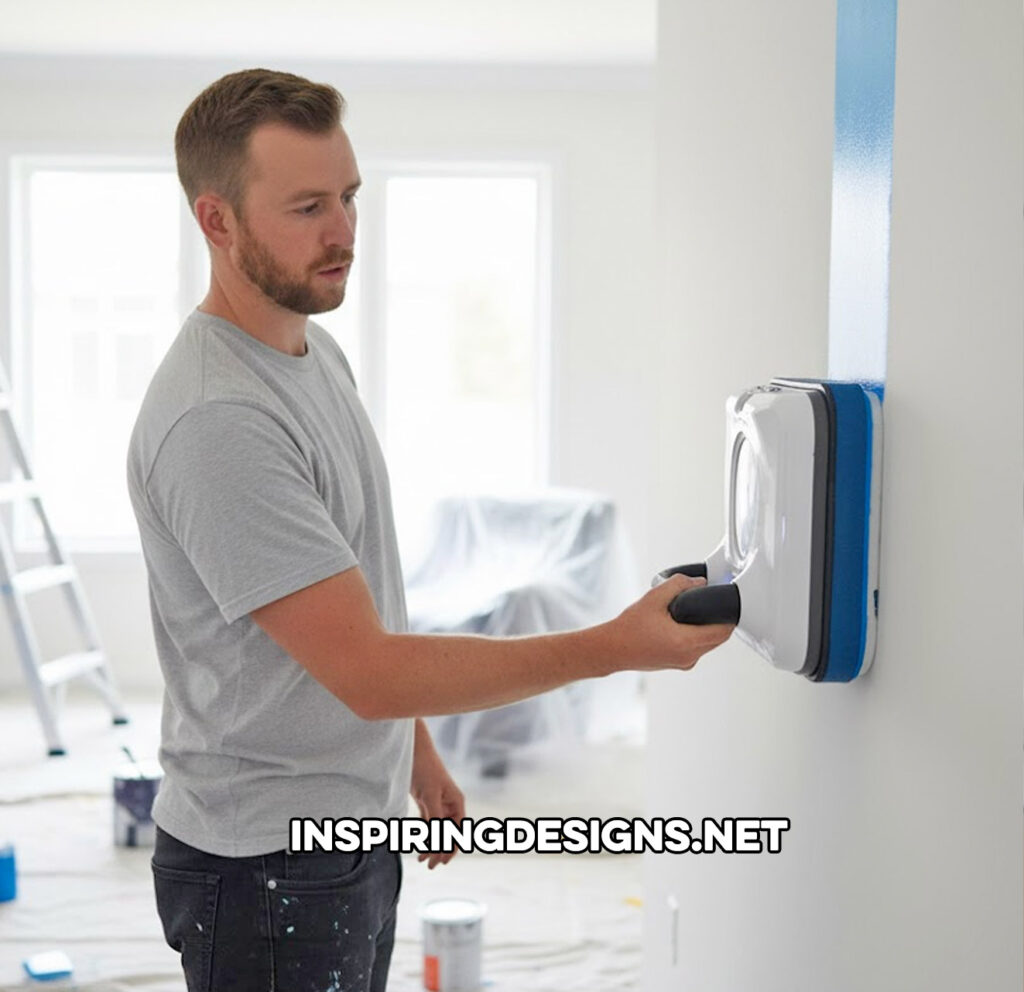
Key Features To Look For
- Suction strength and pressure sensors to prevent slips
- Grid-based navigation for efficient coverage
- Edge detection for clean lines at ceilings and baseboards
- Internal reservoir with clear level indicators
- Interchangeable rollers or pads for matte, satin, gloss, or textured finishes
- App controls for zones, thickness, and speed
- Dual power with battery and plug-in operation
- Quiet brushless motors for low-noise performance
- Compact footprint around 10 by 10 inches and roughly 3.5 inches thick
- LED status lights to show mode and battery life
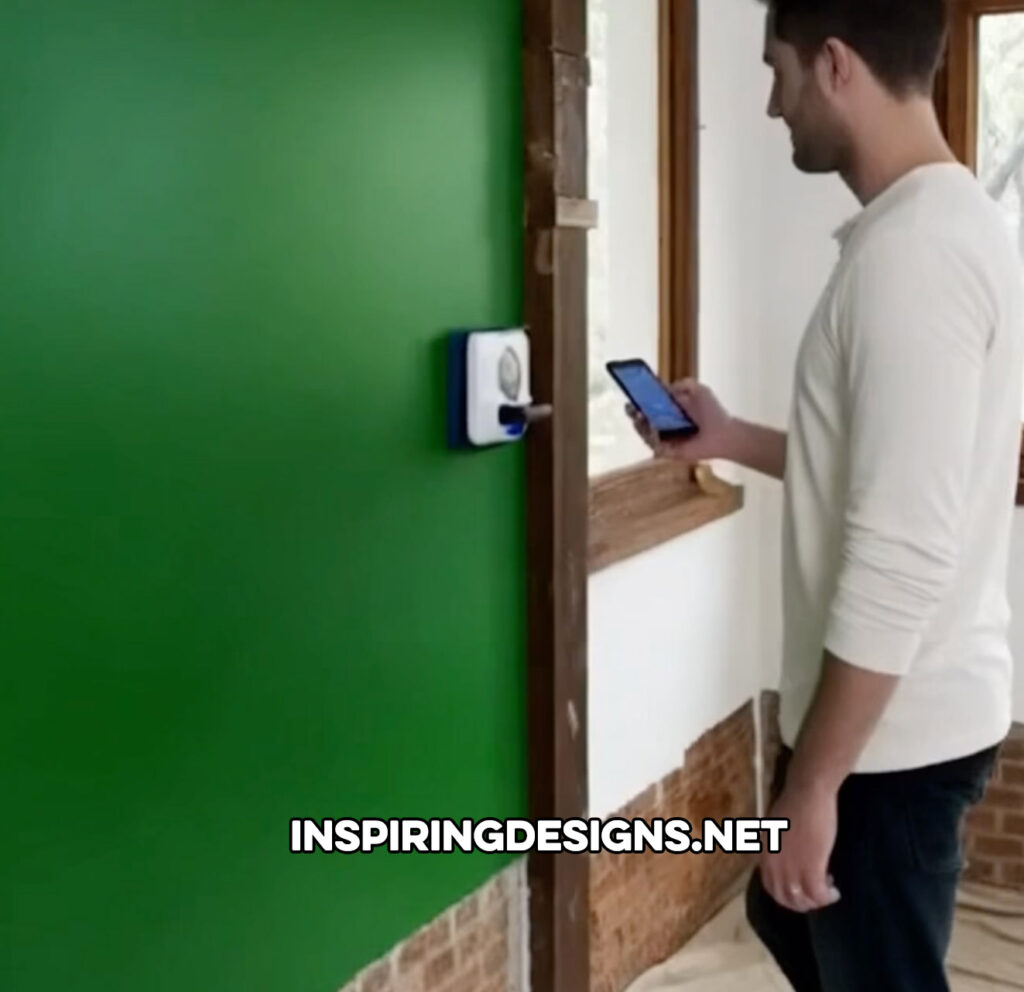
Setup In Five Simple Steps
- Clean dust from the wall and let it dry.
- Fill the reservoir with well-mixed paint that matches the roller or nozzle type.
- Pair the robot with your app and choose a zone.
- Place the unit against the wall and let suction engage.
- Tap Start and watch the grid pattern appear while you relax.
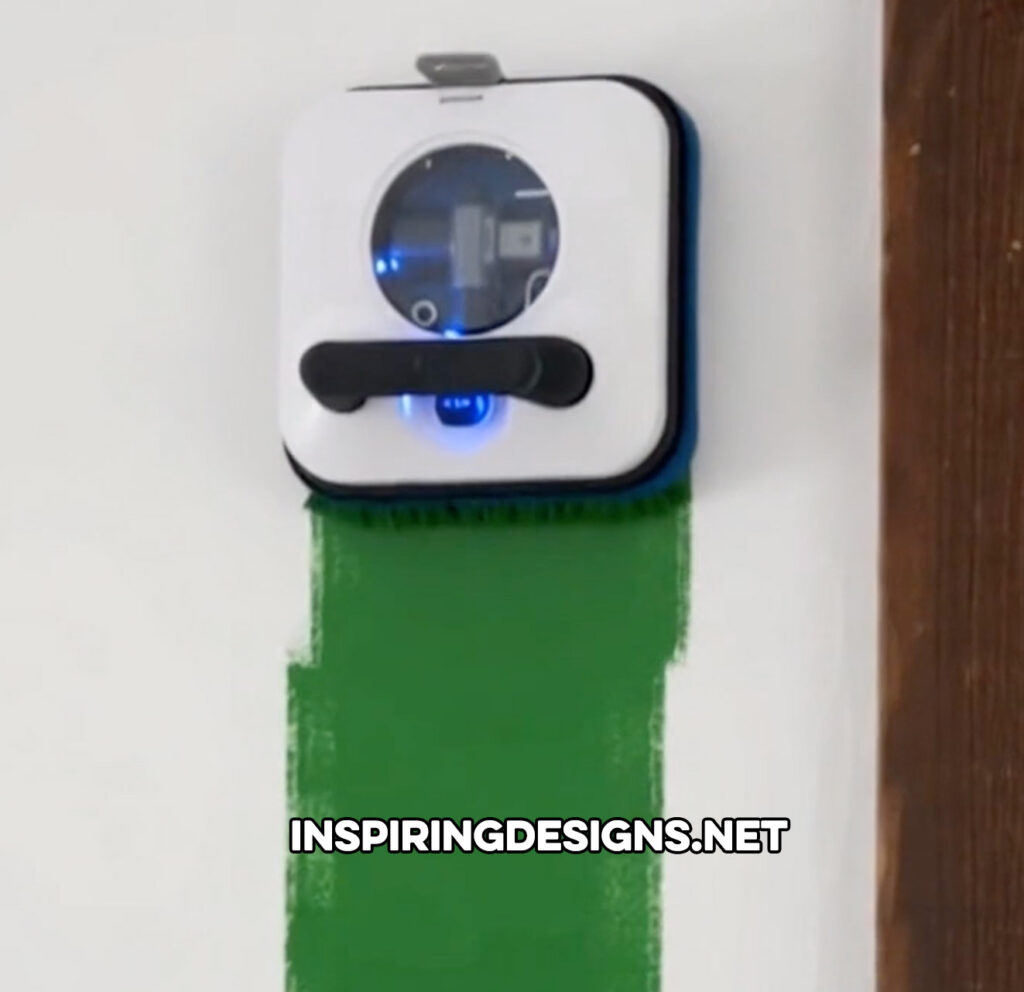
How Much Area Can It Paint
With a one liter reservoir, many models cover about 100 to 120 square feet per fill. Coverage varies by color, paint type, and wall texture. The app’s estimator helps you plan refills and total paint quantity before you begin.
Maintenance Tips
- Rinse rollers or pads immediately after use to avoid dried paint.
- Run a quick cleaning cycle with water or the recommended solvent through the internal lines.
- Wipe the suction perimeter and sensors so debris does not interfere with wall contact.
- Store the robot on its wall hook in a dry place and keep the battery topped up monthly.
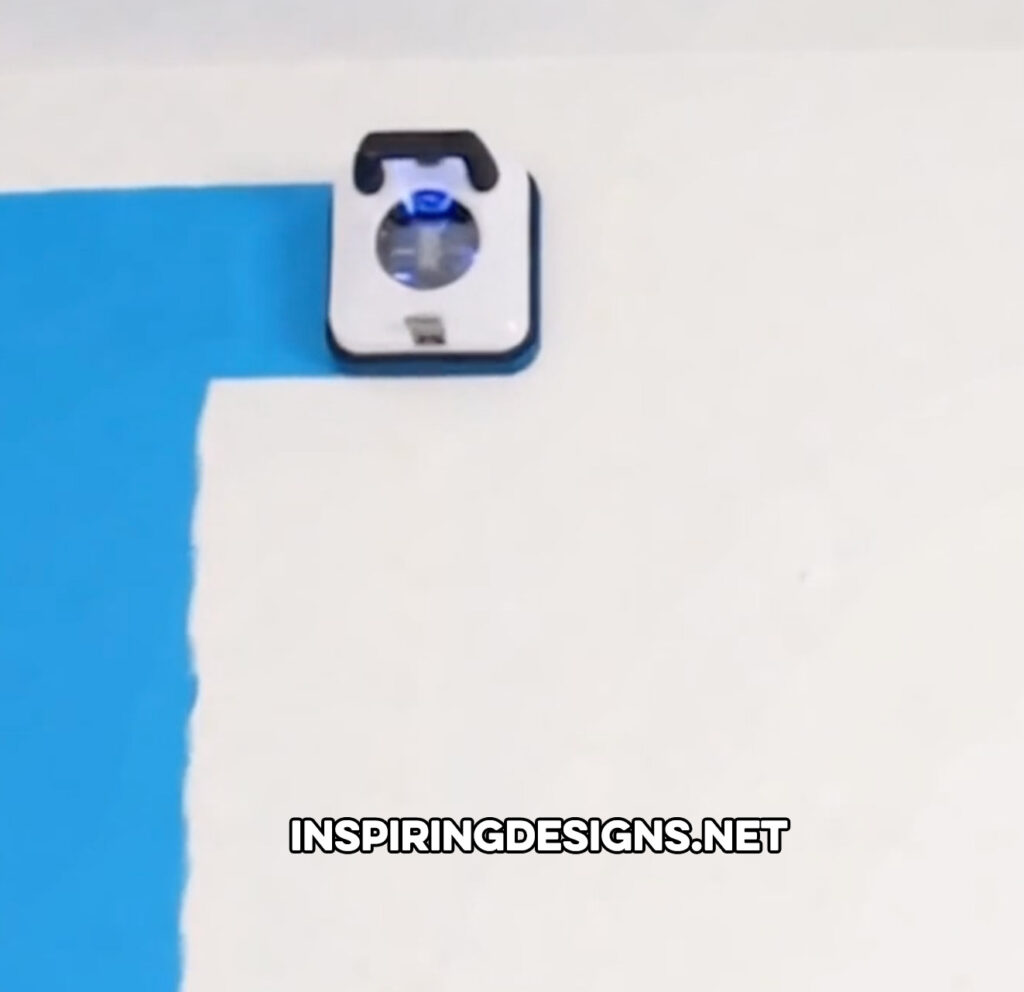
Safety And Compatibility
- Use on properly primed interior walls only.
- Avoid very rough stone or brick. Light orange peel and eggshell textures are fine.
- Keep children and pets clear while the robot is moving.
- For high-gloss finishes, do a small test area first to confirm adhesion and sheen.
Automatic Wall Painting Robot vs Traditional Methods
| Method | Best For | Speed | Finish Consistency | Edge Quality | Cleanup |
|---|---|---|---|---|---|
| Roller and tray | Budget projects and small rooms | Moderate | Dependent on skill | Requires taping | Moderate |
| Paint sprayer | Large open areas | Fast | Very even on flat surfaces | Requires masking | High cleanup |
| Automatic wall painting robot | Tech-friendly homes, rentals, studios, accent walls | Fast to moderate | Consistently smooth once calibrated | Excellent without tape | Low |
Who Will Love It
- DIY enthusiasts who want pro results without pro effort
- New homeowners and renters who refresh rooms regularly
- Elderly users or anyone with mobility limits who should avoid ladders
- Interior decorators and content creators who need crisp results on camera
- Tech lovers building a smart home where chores run themselves
Real-World Use Cases
- Weekend room refresh
Pick a bold accent color, and let the robot paint while you rearrange furniture. Edges are traced neatly around windows and trim. - Home office update
Create a calming backdrop for video calls. Set a zone behind your desk, choose a satin finish roller, and you are done before lunch. - Rental makeovers
Keep changes controlled and clean. The sealed reservoir reduces drips, and the robot can switch to the old color when it is time to move out. - Creative studios
Rotate colors seasonally without losing a day to prep and cleanup.
Frequently Asked Questions
Will it fall off the wall
Suction strength and pressure monitoring keep it attached under normal conditions. If sensors detect a drop in pressure, the unit pauses until the seal is restored.
Does it replace cutting in with a brush
The edge mode is designed to follow borders very closely. For intricate trim profiles, a quick final pass with a small brush may still be helpful.
Can it paint ceilings
Vertical and slightly angled surfaces are supported. For overhead painting, use caution and verify the unit’s ceiling rating in the manual.
What paints work best
Most water-based interior wall paints are ideal. Thicker or specialty paints may require the matching nozzle or roller.
How loud is it
You will hear a soft hum from the brushless motors and the vacuum, similar to a quiet kitchen vent.
Buying Checklist
- Confirm wall compatibility and maximum texture rating.
- Check reservoir size and expected coverage per fill.
- Verify battery life and whether the model supports continuous plug-in power.
- Look for app features like zone selection, coverage estimates, and paint thickness control.
- Make sure replacement pads and rollers are easy to buy.
- Read thpe warranty and what it covers for motors and suction components.
Pro Tips For Best Results
- Start with a primed wall so color saturation is predictable.
- Use painters tape only where trim profiles are very complex. Most edges will not need it.
- Paint in two lighter passes rather than one heavy pass for richer color and better durability.
- Keep a microfiber cloth handy to wipe the suction perimeter before each session.
- Save your favorite settings in the app so future repaints are even faster.
Environmental Considerations
Automatic wall painting robots can reduce waste by applying an even coat that matches the recommended spread rate. The controlled flow uses less paint compared with overloaded rollers. Less masking tape and plastic also means less cleanup material headed to the trash.
The Fun Factor
Yes, it is a serious tool, but it is also mesmerizing to watch. The glowing LEDs, the piano-smooth glide, and the perfect vertical bands are almost therapeutic. Guests walk in, see it working, and immediately ask for a demo. You get spotless walls and a great conversation starter.
Should You Buy An Automatic Wall Painting Robot
If you value clean results, time savings, and a little gadget magic, the answer is yes. This smart painter blends suction-based movement, precise mapping, and adaptive paint control to reinvent a centuries-old chore. Setup takes minutes, the app keeps you in control, and storage is as simple as hanging it on the included hook. Your weekends deserve more fun than drop cloths and roller pans.
Quick Feature Summary
- Hands-free wall painting with strong suction
- Grid navigation for full coverage
- Edge detection for crisp borders
- Built-in reservoir that covers up to 120 square feet per fill
- App control for speed, thickness, and zones
- Battery operation with plug-in option for longer jobs
- Interchangeable rollers and pads for different finishes
- Quiet brushless motors and compact design
- Ideal for DIYers, decorators, and smart home fans
Final Word
The automatic wall painting robot is more than a clever gadget. It is a practical upgrade that delivers professional finishes without the mess or muscle. Whether you are refreshing a studio, brightening a living room, or rethinking your home office, this small square helper makes the process faster, cleaner, and a lot more fun.

How about a pros vs cons list to see if one is right for your project!
| Pros | Cons |
|---|---|
| Hands-free painting reduces physical strain and ladder use | Upfront cost higher than rollers and brushes |
| Smart grid navigation delivers even, consistent coverage | Suction may struggle on very rough or porous surfaces |
| Edge detection creates crisp lines without taping | Intricate trim may still require manual touch-ups |
| Built-in reservoir minimizes drips and spills | Limited reservoir means periodic refills on big rooms |
| App control for zones, speed, and paint thickness | Requires phone pairing and occasional firmware updates |
| Interchangeable rollers and pads for different finishes | Replacement pads and parts add ongoing cost |
| Quiet brushless motors for low-noise operation | Vacuum suction produces a steady hum |
| Battery and plug-in power options for flexibility | Battery runtime can limit continuous use without a cord |
| Compact size fits around windows and door frames | May not reach tight corners or behind fixed fixtures |
| Consistent paint flow reduces waste and saves paint | Learning curve to calibrate flow for certain paints |
| Quick setup and simple cleanup compared with sprayers | Cleaning internal lines and rollers still takes time |
| Neat, modern design and LED indicators | Extra storage space needed for unit and accessories |
| Coverage estimator helps plan paint quantity | Estimates can vary based on texture and color changes |
| Safer alternative for users with mobility limits | Not rated for all ceilings or overhead applications |
| Great for repeat color changes and accent walls | Results depend on proper wall prep and priming |
Related posts:
 These Volkswagen Robot Vacuums Will Drive Dirt Away with Retro Style!
 These Giant Skull Aquariums Are The Ultimate Statement Piece For Any Room
 These Wall Mounted Fire Breathing Dragon Fire Tables Are The Ultimate Patio Addition
 These Harry Potter Sorting Hat Shower Heads Will Sort You Into Team Cleanliness