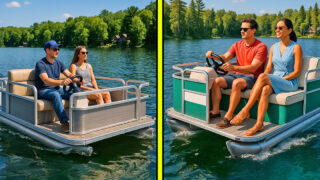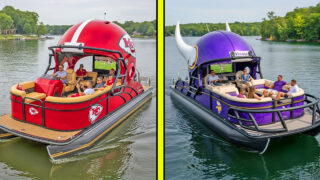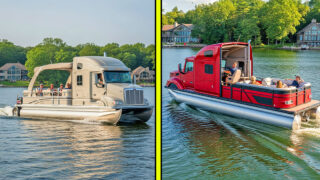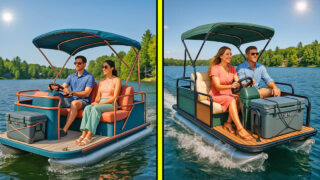
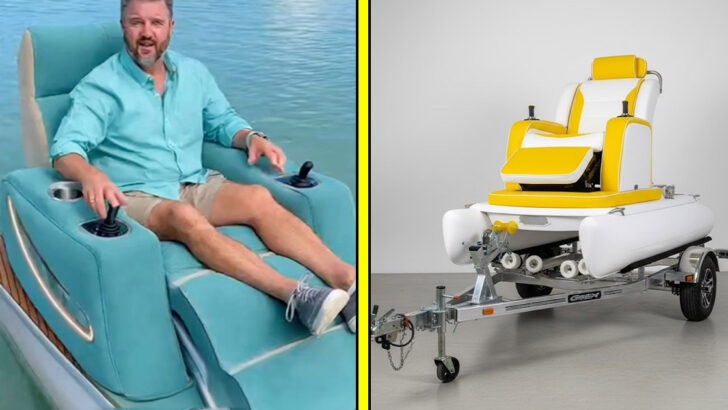
There is relaxing on the water, and then there is kicking back in a plush captain’s chair while you glide across a glassy lake with a thumb on a joystick. Recliner boats take the comfort of a living room recliner and pair it with the stability of compact pontoons. The result is a personal watercraft that turns every outing into a joy ride. If you have been searching for recliner boats, recliner pontoons, or a personal recliner boat to call your own, this guide breaks down how they work, what to look for, and why they are the most smile-inducing water toys of the year.
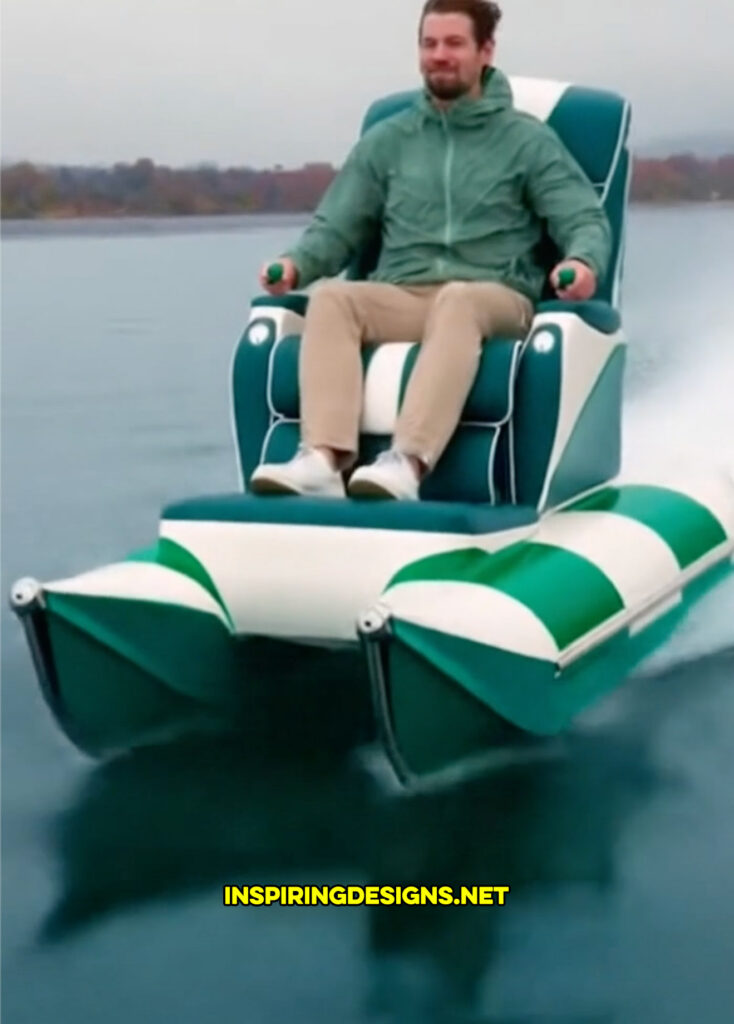
What Is a Recliner Boat
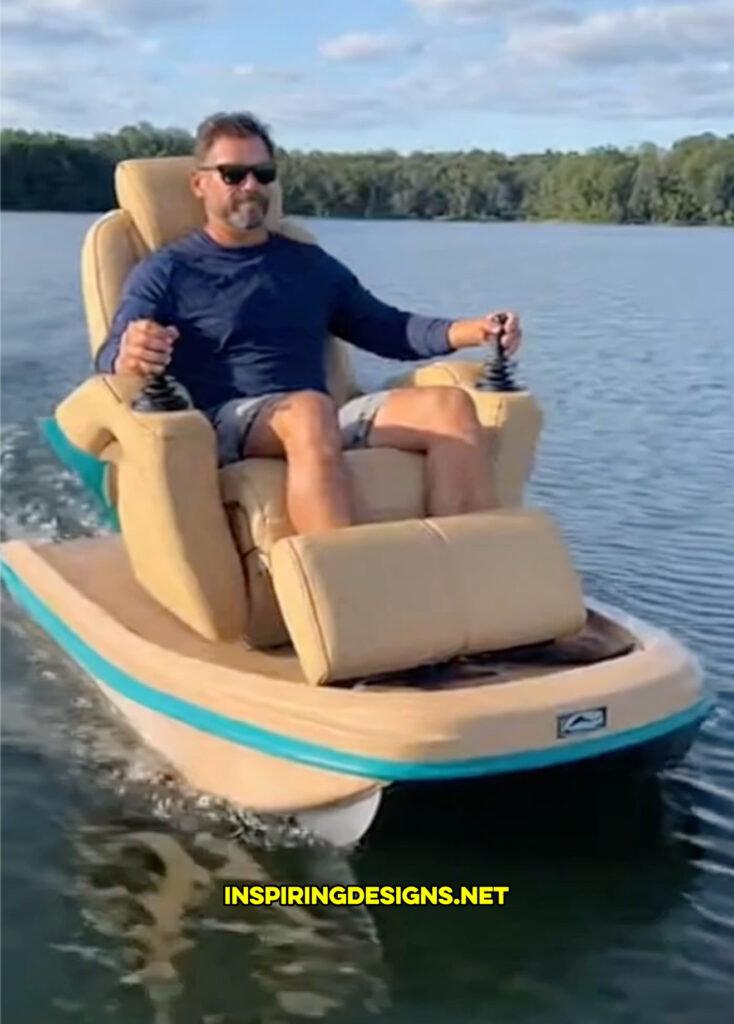
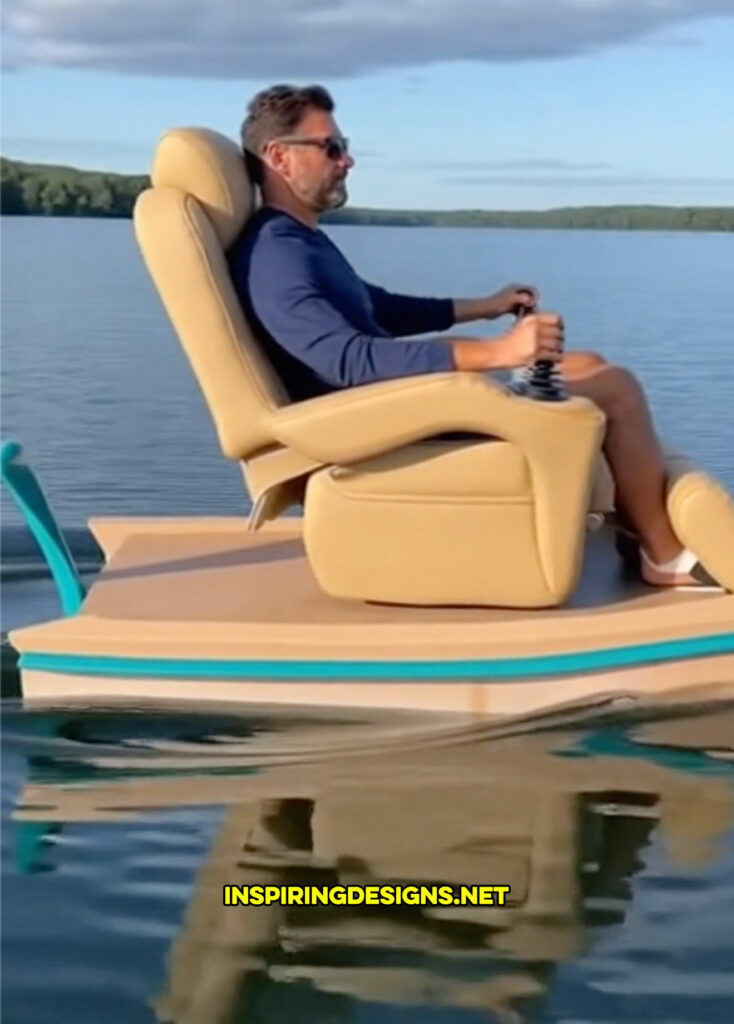
A recliner boat is a mini pontoon platform topped with an oversized, deeply cushioned chair that tilts, extends, and often fully reclines. Most models use twin pontoons for balance with electric or small gas propulsion. Controls live in the armrests so you can steer, throttle, and even adjust lighting without getting up. Think of it as a compact, single-seat pontoon designed for easy cruising rather than high speed.
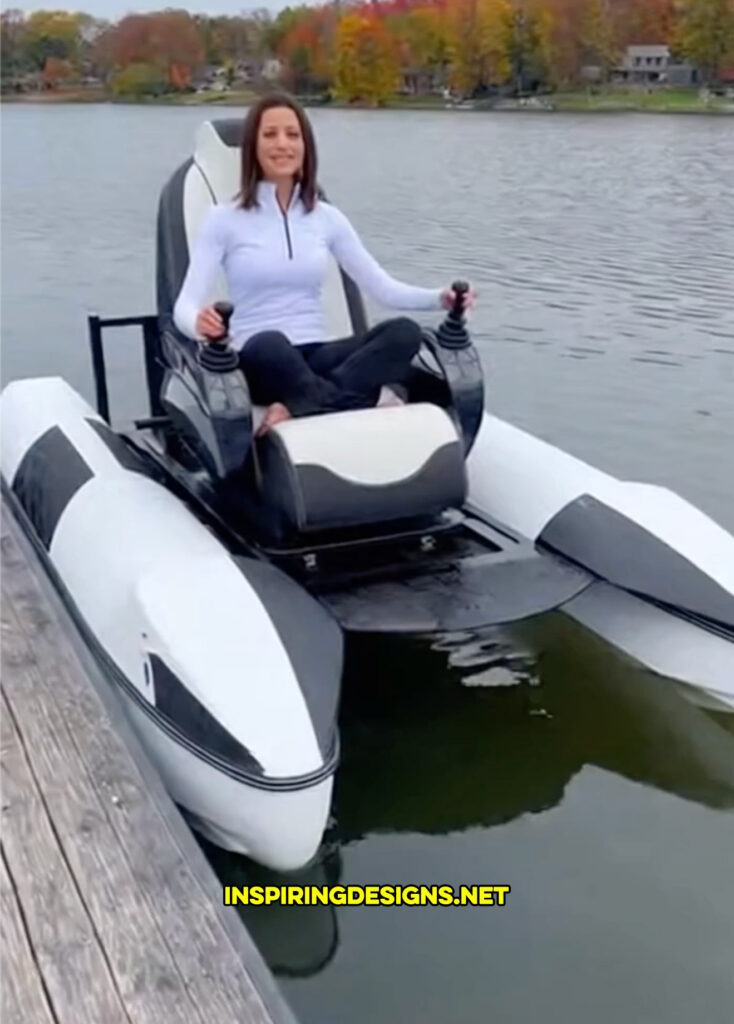
How Recliner Pontoons Work
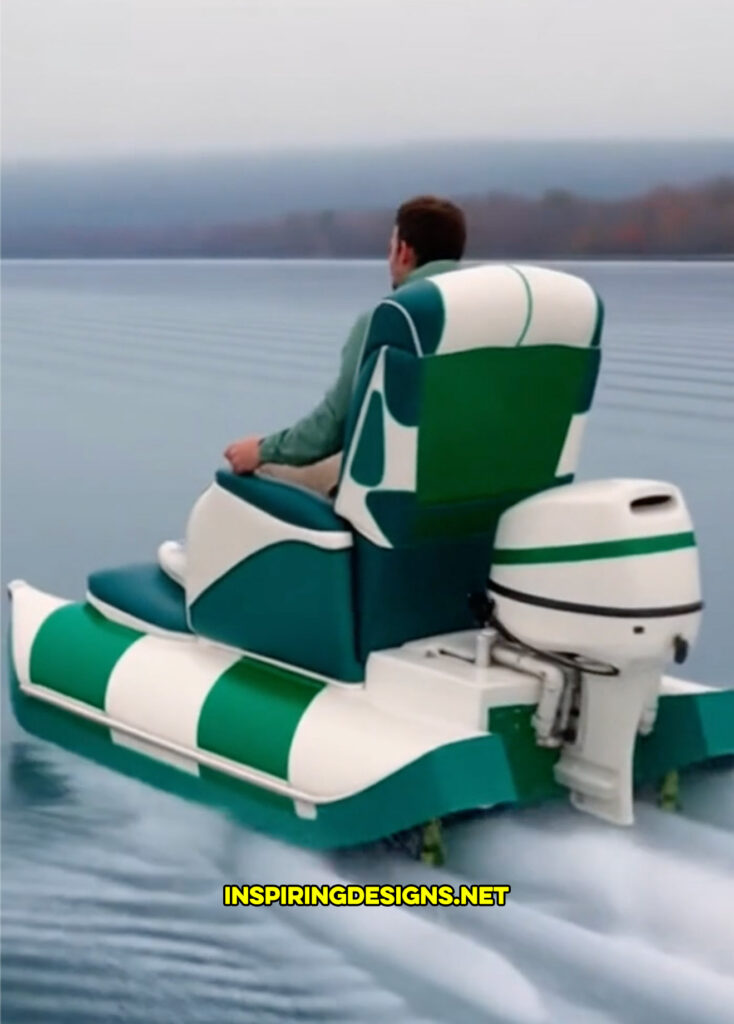
Under the chair sits a lightweight deck made from composite or aluminum. Two narrow pontoons provide buoyancy and stability. A compact outboard or electric pod motor supplies the push. Dual joysticks or thumb throttles in the armrests handle forward, reverse, and turning. Because the controls are proportional, you make tiny course corrections with fingertip movements. It feels natural in minutes, even for new boaters.
Typical performance
- Electric versions cruise quietly at about 4 to 8 mph and excel on calm lakes.
- Small gas models in the 10 to 40 HP range can reach 8 to 15 mph and handle a light chop.
- Turning radius is tight thanks to short hull length and joystick control.

The Features People Love
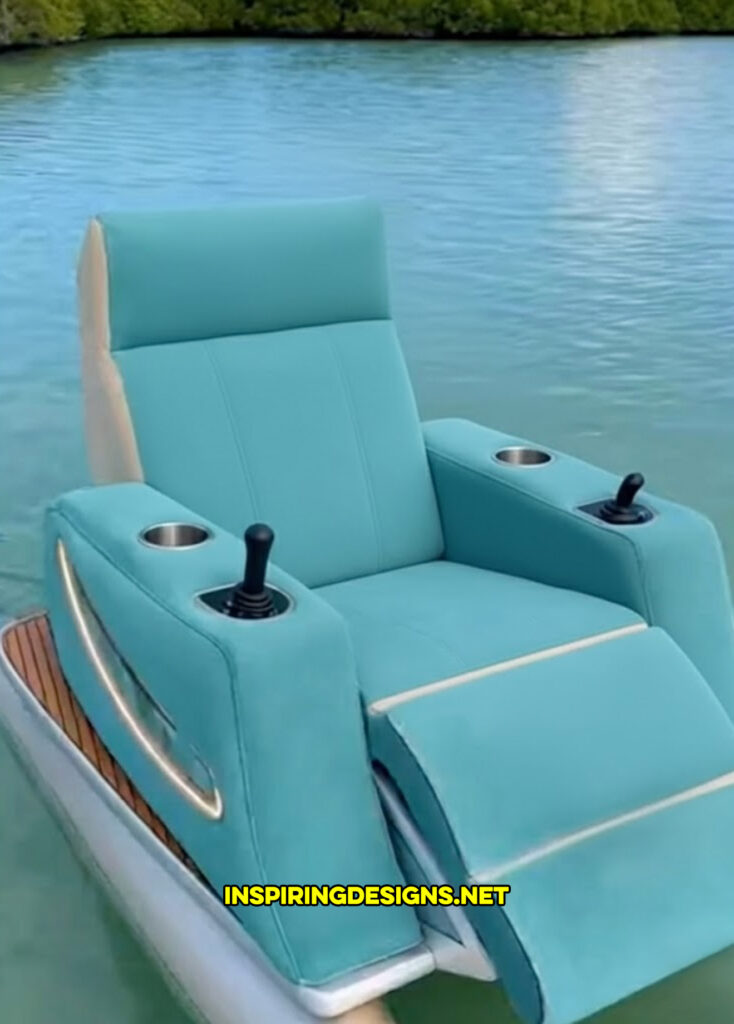
- Reclining captain’s chair with memory foam or multi-density cushions that support your back and legs. Many include an extendable leg rest so you can sprawl out and sunbathe.
- Dual joystick control that makes docking, spinning, and slow-speed maneuvering simple for beginners.
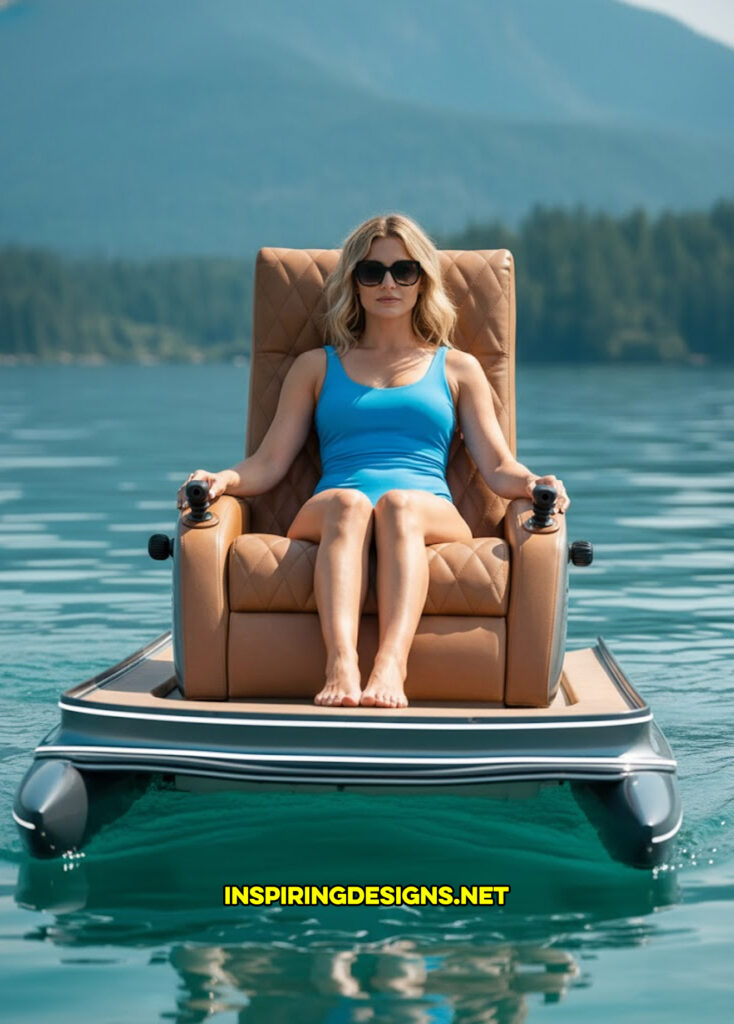
- Stability-first hulls using twin pontoons or cat-style sponsons that resist rocking when you shift your weight or recline fully.
- Marine upholstery that resists UV, water, and mildew. Popular finishes range from bright tropical colors to classic neutrals with contrast piping.
- Built-in comforts like stainless cupholders, USB charging, small storage cubbies, and soft LED accent lights for twilight cruises.
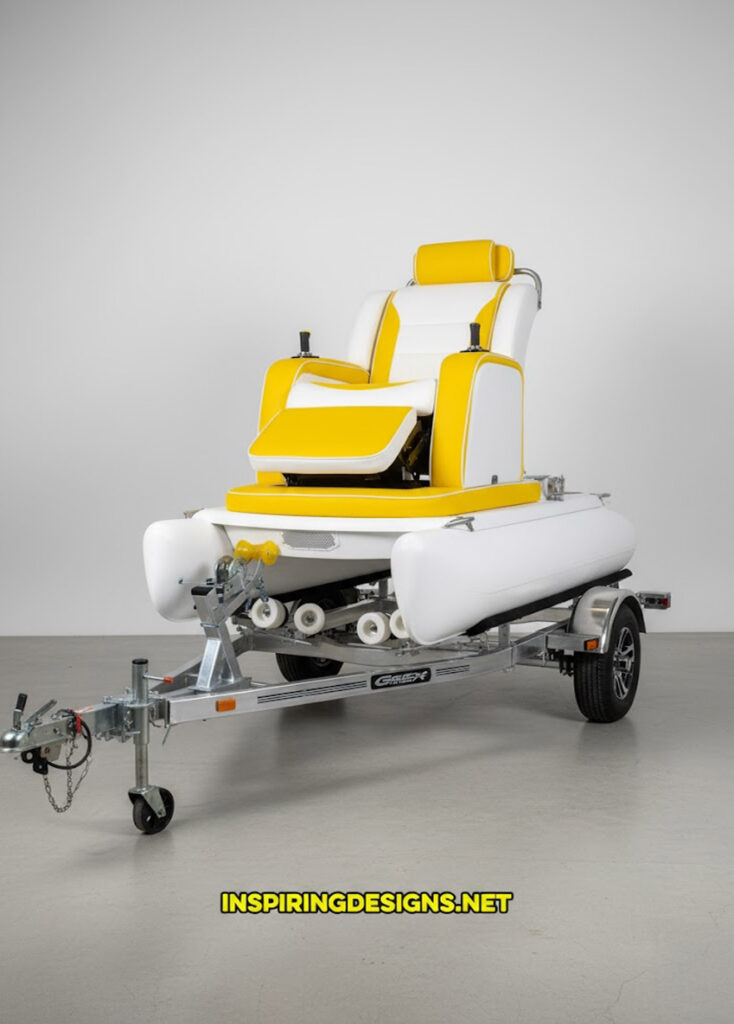
- Compact size that fits in many garages and travels on a small trailer, making ownership and storage easier than full-size pontoons.

Quick Comparison Table
| Feature | Electric Recliner Boat | Gas Recliner Pontoon |
|---|---|---|
| Typical speed | 4 to 8 mph | 8 to 15 mph |
| Sound level | Whisper quiet | Noticeable hum |
| Range | 2 to 6 hours per charge depending on battery | 2 to 6 hours on small tank |
| Maintenance | Low, mostly battery care | Low to moderate, basic outboard service |
| Best for | Quiet lakes, eco-sensitive waters, sunset floats | Bigger lakes, light chop, longer day trips |

Where Recliner Boats Shine
- Morning coffee laps around a calm cove while the rest of the lake wakes up
- Golden hour cruising with LED mood lighting and a chilled drink in the cupholder
- Dock-side lounging since the chair is often more comfortable than patio furniture
- Resort rentals and vacation homes because the learning curve is minimal and the wow factor is high
- Mobility-friendly fun for riders who prefer supportive seating and simple controls
Safety, Stability, and Convenience
Stability is where recliner pontoons earn their keep. The wide stance of the tubes keeps your center of gravity planted even when you lean back. Many models include a kill-switch lanyard, non-slip decking, and grab handles. Keep a life jacket within reach, follow local boating rules, and remember that these are solo craft designed for calm waters. Treat them like you would a small fishing boat or pedal pontoon and you will be set.
Buying Guide: How to Choose the Right Personal Recliner Boat
1. Pick your power
- Electric if you prioritize silence, easy maintenance, and short, serene cruises. Check battery capacity in amp-hours and whether fast charging is supported.
- Gas if you want more speed or plan to cover a bigger lake in a single outing. Focus on engines from reliable brands and look for power tilt for convenience.
2. Evaluate the chair
- Test the recline angle, leg rest extension, and lumbar support.
- Look for high-density foam or a multi-layer cushion that will not flatten quickly.
- Confirm UV protection and stitched seams designed for marine use.
3. Check control ergonomics
- Ensure joysticks are comfortable for your hands.
- Look for ambidextrous layout and adjustable sensitivity if you are new to joystick steering.
- A small display for battery or fuel, speed readout, and lighting controls is a plus.
4. Inspect hull and deck
- Aluminum or impact-resistant polymer pontoons are resilient and light.
- A composite deck resists rot and keeps weight down.
- Check for drain plugs, splash guards, and secure mounting of the seat module.
5. Consider transport and storage
- Measure garage door height and interior length.
- Ask about folding or quick-release components to reduce footprint.
- A lightweight trailer or truck-bed transport solution adds real-world convenience.
6. Add-ons worth having
- LED accent lighting with soft, indirect strips for evening visibility
- Removable battery packs for off-dock charging
- Bluetooth speakers tucked under the seat so audio is out of the splash zone
- Faux-teak or textured deck for traction and a premium look

Cost Expectations
Pricing varies by powertrain and finish levels. Electric recliner boats typically cost less than comparable gas packages, especially if you already have shore power near your dock for charging. Gas versions add the expense of the outboard and regular service, but they also expand your cruising range. Factor in a small trailer, PFDs, dock lines, and a cover to protect the upholstery.
Owning and Maintaining a Recliner Pontoon
Maintenance is refreshingly simple compared with bigger boats.
- After each ride: Rinse the deck and chair with fresh water and wipe the vinyl dry.
- Weekly: Check battery or fuel levels, inspect propeller for dings, and verify joystick movement is smooth.
- Monthly: Tighten hardware, confirm LED and display functions, and clean charging contacts.
- Seasonal: For electric models, store batteries at recommended charge levels. For gas models, change engine oil as specified, treat fuel, and inspect anodes.
Store the craft under a breathable cover. Avoid harsh cleaners on vinyl. A mild soap solution keeps fabrics looking new.

Tips for Your First Ride
- Start in no-wake zones to get comfortable with joystick finesse.
- Keep speed moderate while reclined so you can sit upright quickly if you need a better view.
- Balance your cooler and gear near the centerline to preserve that rock-solid feel.
- Learn the quick spin: a tiny opposing movement on each joystick rotates the craft neatly for docking.

Fun Ways Owners Use Recliner Boats
- Reading and napping station on a quiet river bend
- Floating front-row seat for fireworks and lakeside concerts
- Photography platform thanks to stable pontoons and slow, precise control
- Yoga stretch chair between paddles when paired with a SUP buddy
- Conversation starter at every marina, guaranteed

Are Recliner Boats Right For You
Choose a personal pontoon recliner boat if you value comfort, simplicity, and compact storage over speed and passenger capacity. They are perfect companions for lake houses, RV trips with nearby marinas, or anyone who wants a low-hassle way to unwind on the water. If you routinely boat in rough water or need to carry a crew, a traditional pontoon or runabout will make more sense. For solo serenity, though, nothing beats this floating recliner.
Frequently Asked Questions
How fast do recliner boats go
Electric models commonly cruise between 4 and 8 mph. Gas versions with small outboards run around 8 to 15 mph depending on load and conditions.
Are recliner pontoons safe
Yes, when used as intended on calm waters and within weight limits. The twin-tube layout is very stable. Wear a PFD, use the kill-switch lanyard, and follow local boating rules.
Can I fish from a recliner boat
Absolutely. The platform is stable enough for light tackle. Bring a compact rod holder that clamps to the deck or armrest base.
How long does an electric model run
Run time depends on speed and battery capacity. Expect two to six hours on typical setups. Many owners carry a spare battery or plan mid-day charging at the dock.
Do they fit on a regular trailer
Yes. Most ride on small utility or PWC-style trailers and can be moved by mid-size SUVs. Some even slide into a pickup bed with a loading assist.
What is the weight capacity
Most models support about 250 to 300 pounds. Check the plate on your specific craft for exact limits.

The Takeaway
Recliner boats combine the best parts of a mini pontoon with the cushy support of a reclining chair. They are easy to operate, surprisingly stable, and designed for pure leisure. Whether you want a quiet electric glide at sunset or a perkier gas setup for bigger lakes, a personal recliner pontoon boat turns downtime into the main event. Bring sunglasses, tap the joystick, and enjoy the most comfortable ride on the water.
Here’s some Pros vs Cons for the personal recliner boats to help see if one’s right for you!
| Pros | Cons |
|---|---|
| Super comfortable recliner seating with leg rest | Single rider capacity on most models |
| Intuitive dual joystick control | Limited top speed compared to PWCs |
| Very stable twin pontoon platform | Best only on calm water and no-wake zones |
| Quiet operation on electric versions | Range depends on battery size and speed |
| Compact size for easy storage and trailering | Minimal cargo space for coolers or gear |
| Low maintenance compared with larger boats | Exposure to sun and spray without a canopy unless added |
| LED lighting and cupholders add evening comfort | Fewer aftermarket accessories than standard pontoons |
| Easy learning curve for beginners | Not ideal for rough weather or large wakes |
| Eye-catching design that turns heads | Can attract attention when you want privacy |
| Great for relaxing, reading, and sunset cruising | Less versatile for towing, fishing with multiple rods, or group outings |