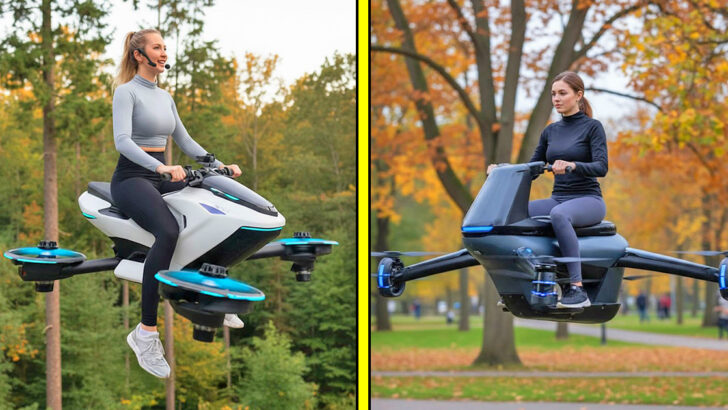
If you’ve ever looked at your electric scooter and thought, “Cool, but what if it… flew?” welcome to scooter drones. These sleek quadcopter scooters lift straight off the ground, hover with surprising grace, and turn your daily commute into something that feels like a sci-fi scene. Below you’ll find a complete, easy-to-scan guide to how scooter drones work, what they can do, and how to pick a model that fits your lifestyle.
What Is a Scooter Drone?
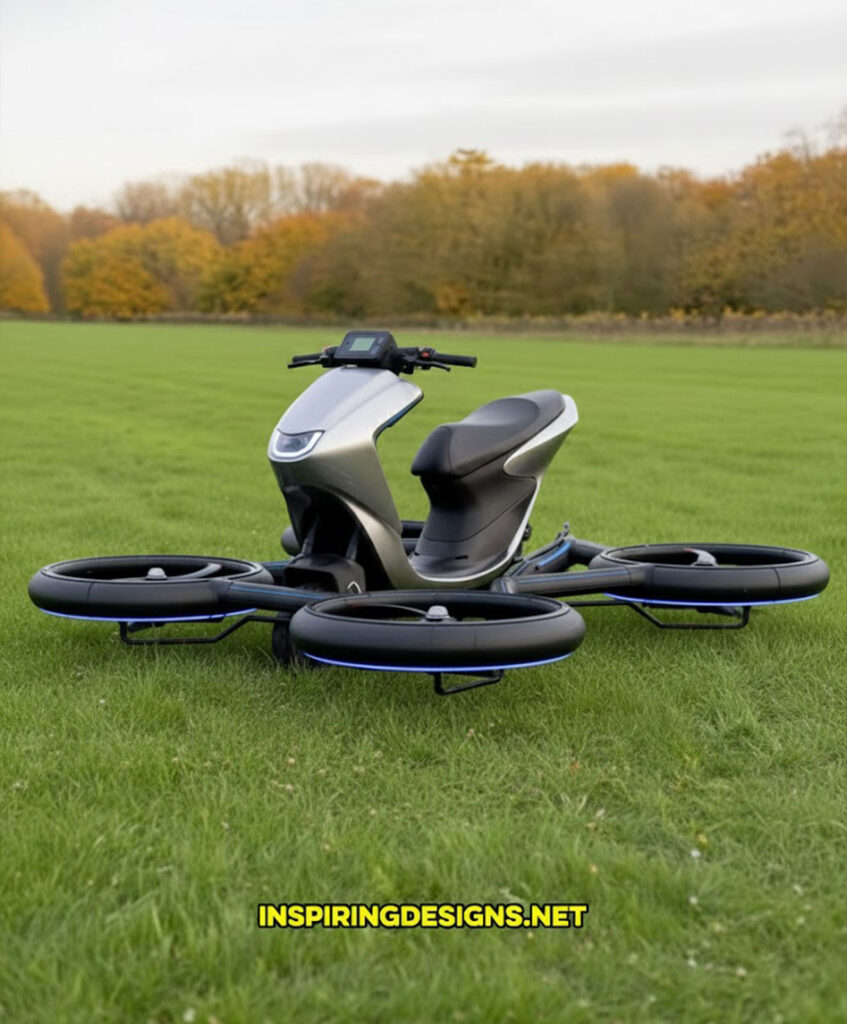
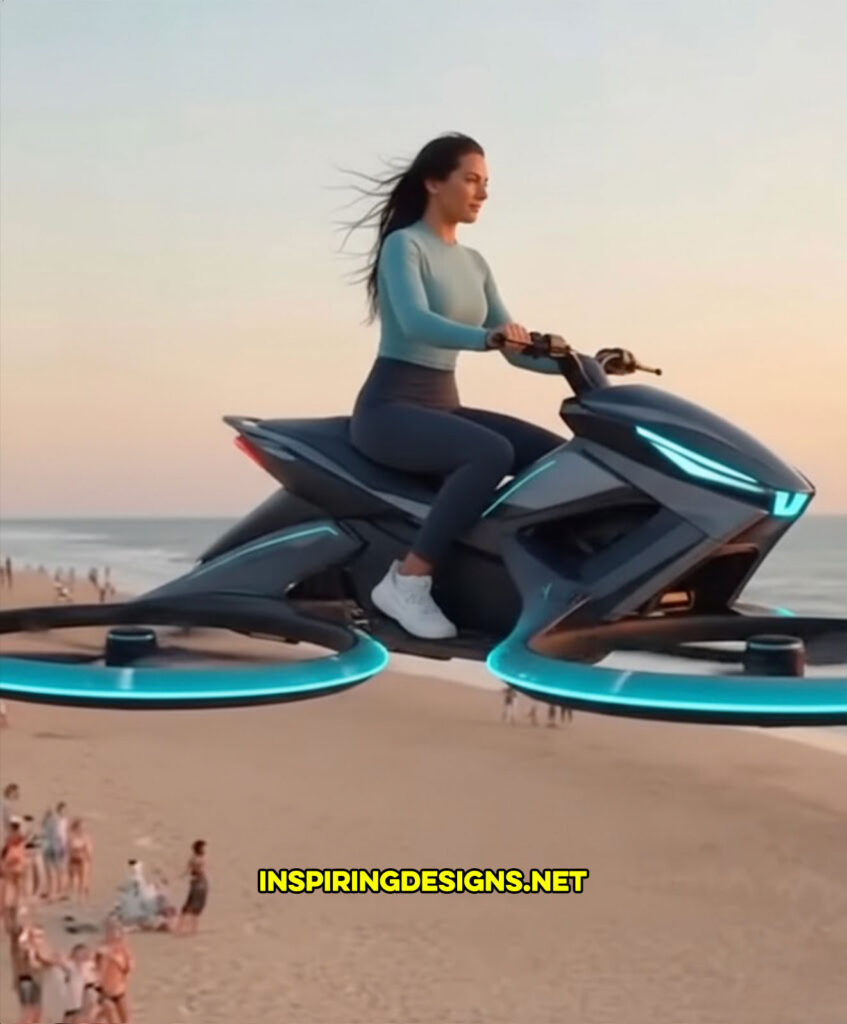
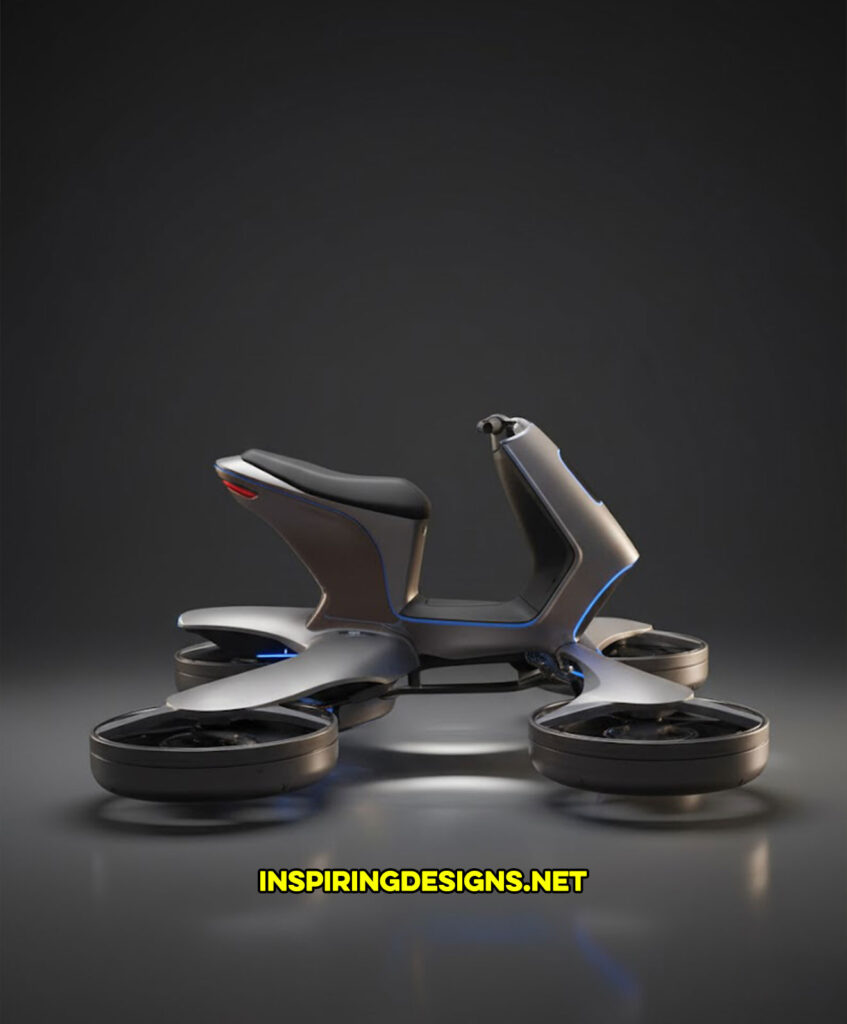
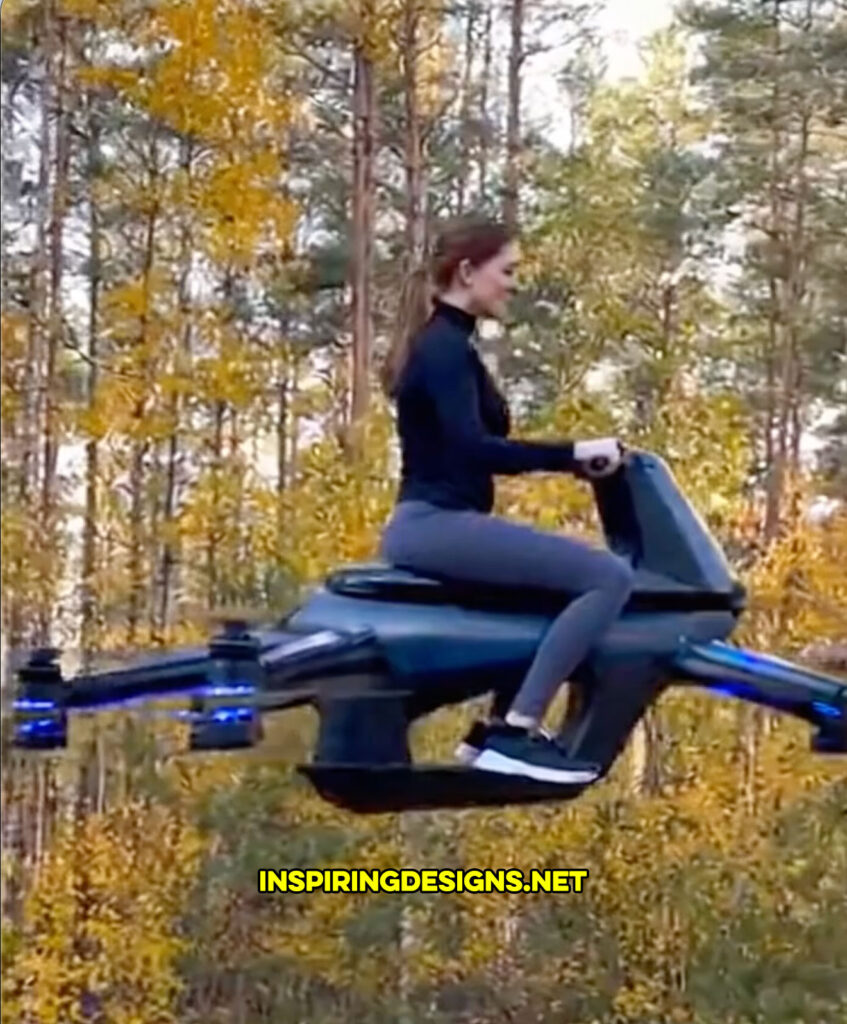
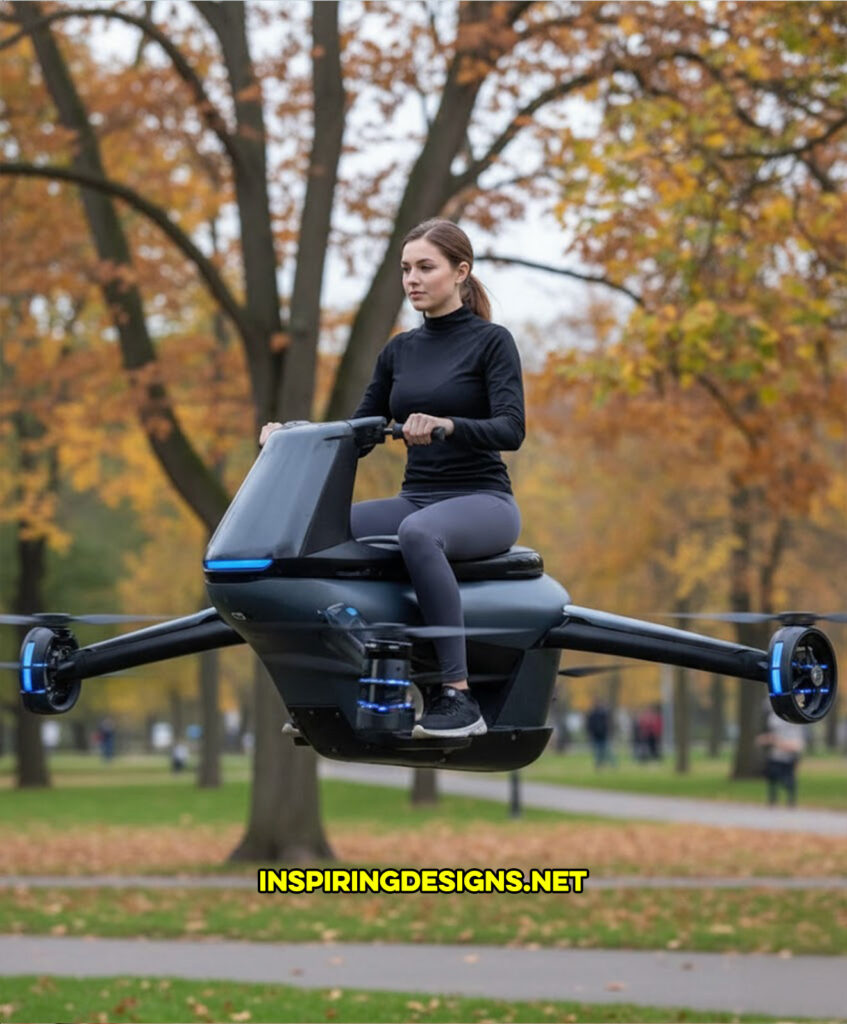
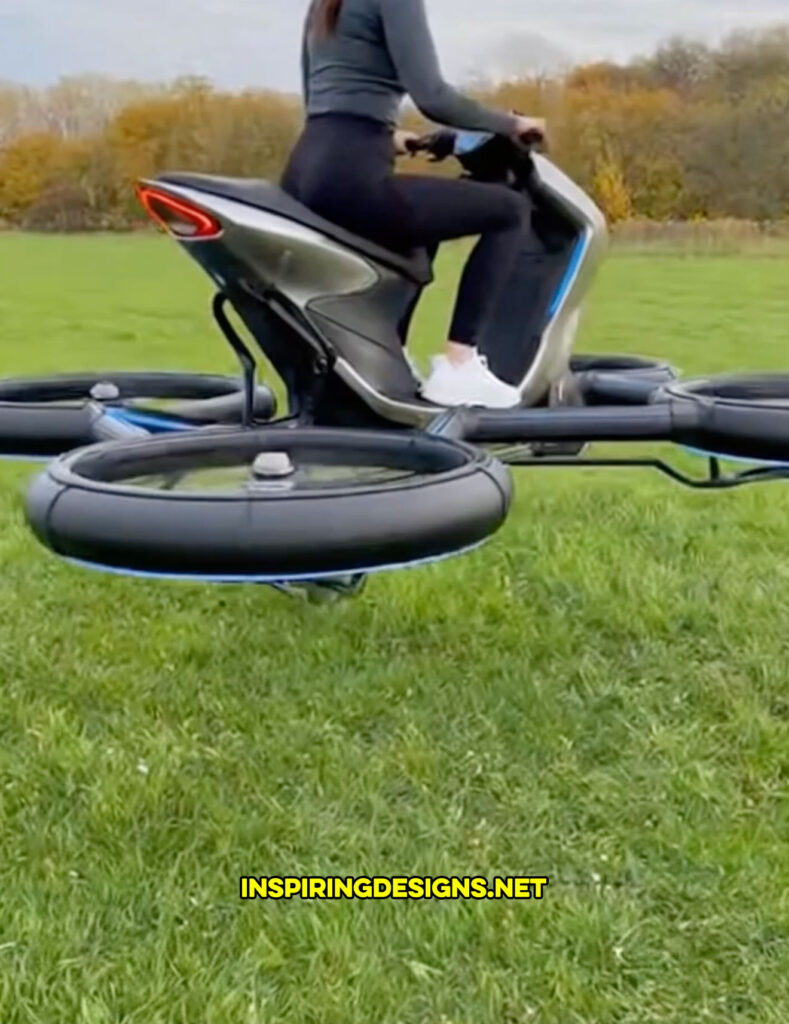
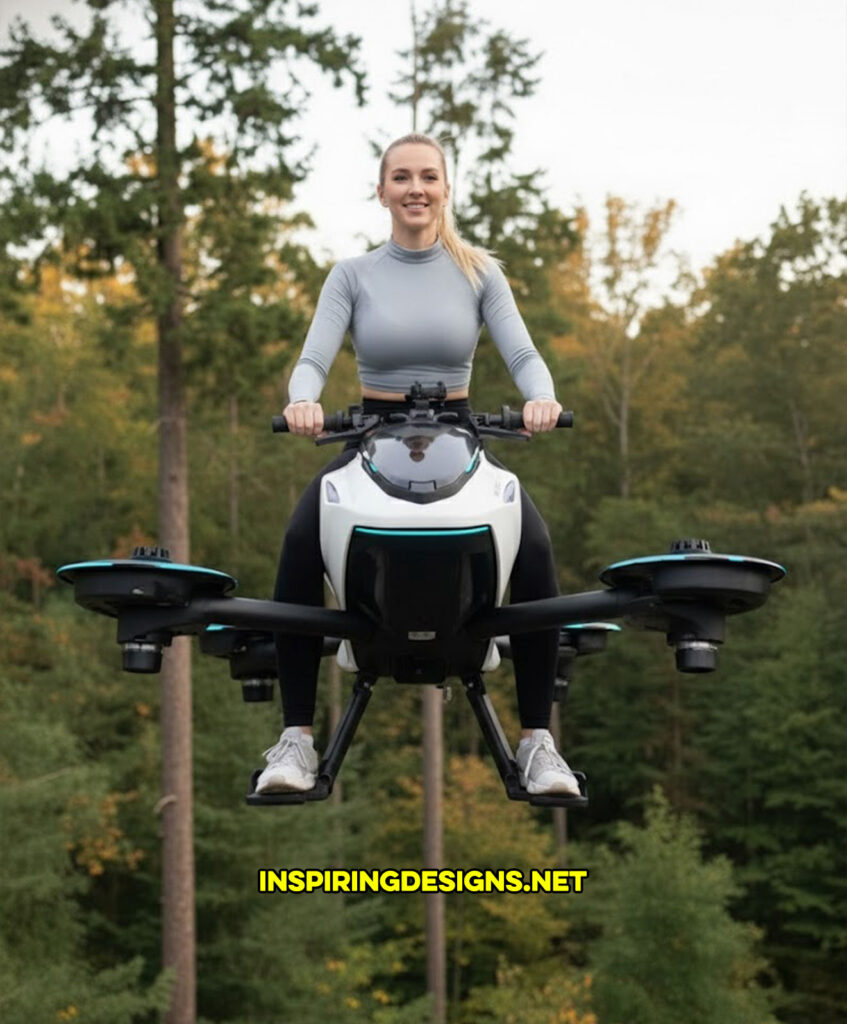
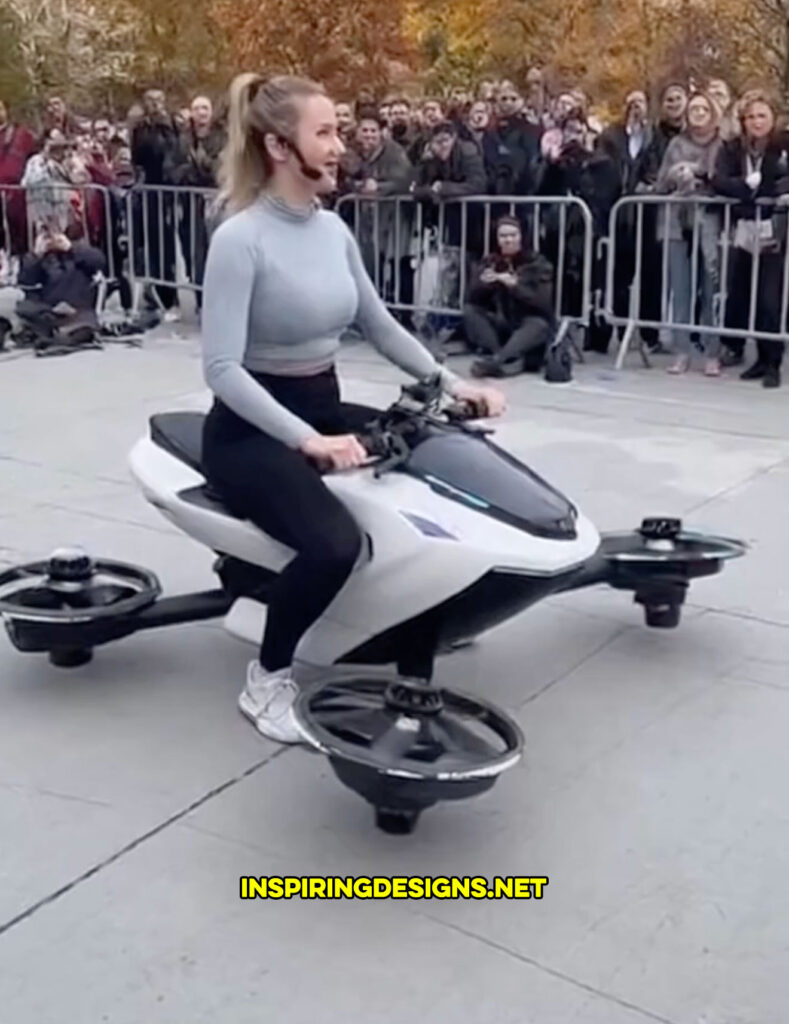
A scooter drone combines a sit-down scooter layout with a quadcopter flight system. Picture a compact moto-style seat, handlebars with fingertip controls, and four ducted rotors on short outriggers. Tap the throttle and you rise vertically, settle into a stable hover, then glide forward like a low-altitude magic carpet. You’ll also see people call them scooter quadcopters, quadcopter scooters, Vespa drones, or Vespa quadcopters.
Why Scooter Drones Are Catching On
- Zero traffic. Vertical takeoff and landing let you hop above bottlenecks.
- Tiny footprint. Four rotors on a compact frame make it easier to store than most ultralight aircraft.
- Low learning curve. Controls feel familiar to riders who have used scooters, motorcycles, or consumer drones.
- Pure wow factor. LED accents, futuristic shells, and near-silent fans turn heads everywhere.
How the Tech Works
Airframe and materials
Most concepts pair lightweight aluminum with carbon fiber-reinforced polymer. The goal is a rigid frame that resists flex at speed while keeping total mass low for better flight time.
Ducted rotors
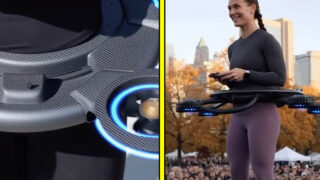
Four enclosed fans provide lift, yaw, roll, and pitch control. Ducting improves efficiency and adds a safety buffer around the blades. It also reduces noise compared to open props.
Stabilization
Flight computers sample gyroscopes and accelerometers hundreds of times per second. If wind nudges the craft, the system counters instantly. Auto-hover and altitude hold help new pilots feel comfortable fast.
Powertrain and batteries
High-output electric motors draw from modular lithium-based packs. Expect 25 to 40 minutes in the air per charge depending on your weight, wind, and speed.
Controls
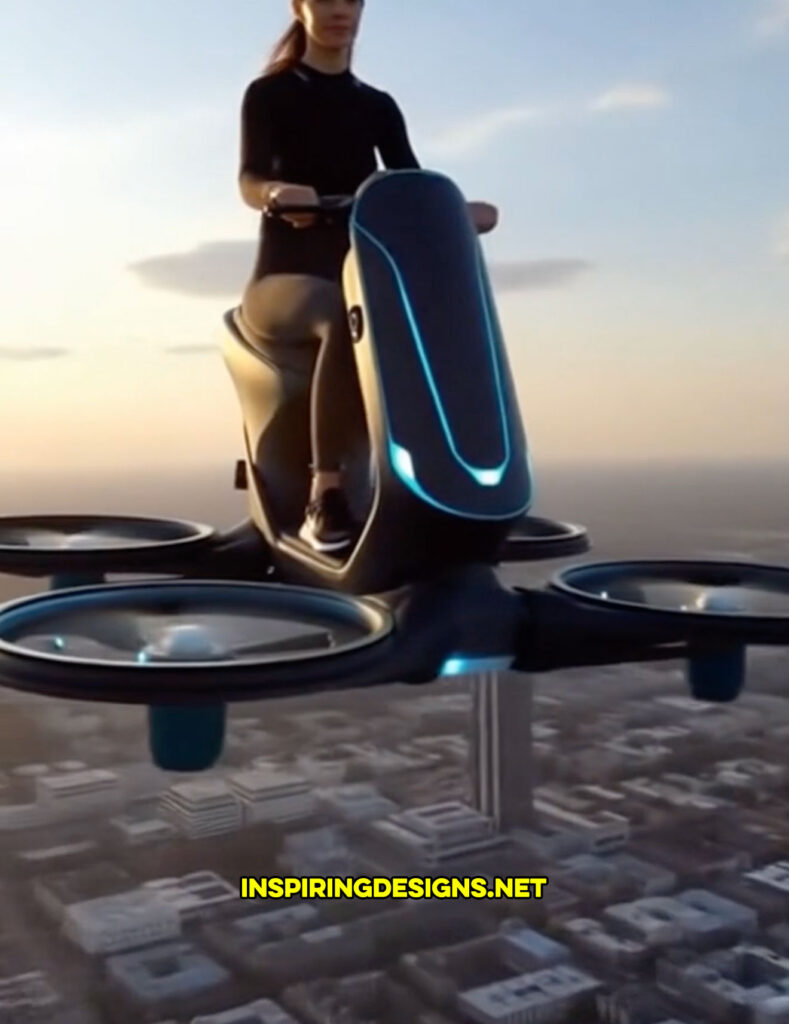
Handlebars with thumb or twist throttles feel familiar. A small joystick or split-throttle layout can manage yaw and elevation. Many models add a touchscreen flight display for speed, altitude, battery, GPS, and return-to-home.
Key Scooter Drone Features to Look For
- Integrated flight display with GPS mapping, speed, battery, and weather alerts
- LED visibility lighting in adjustable colors
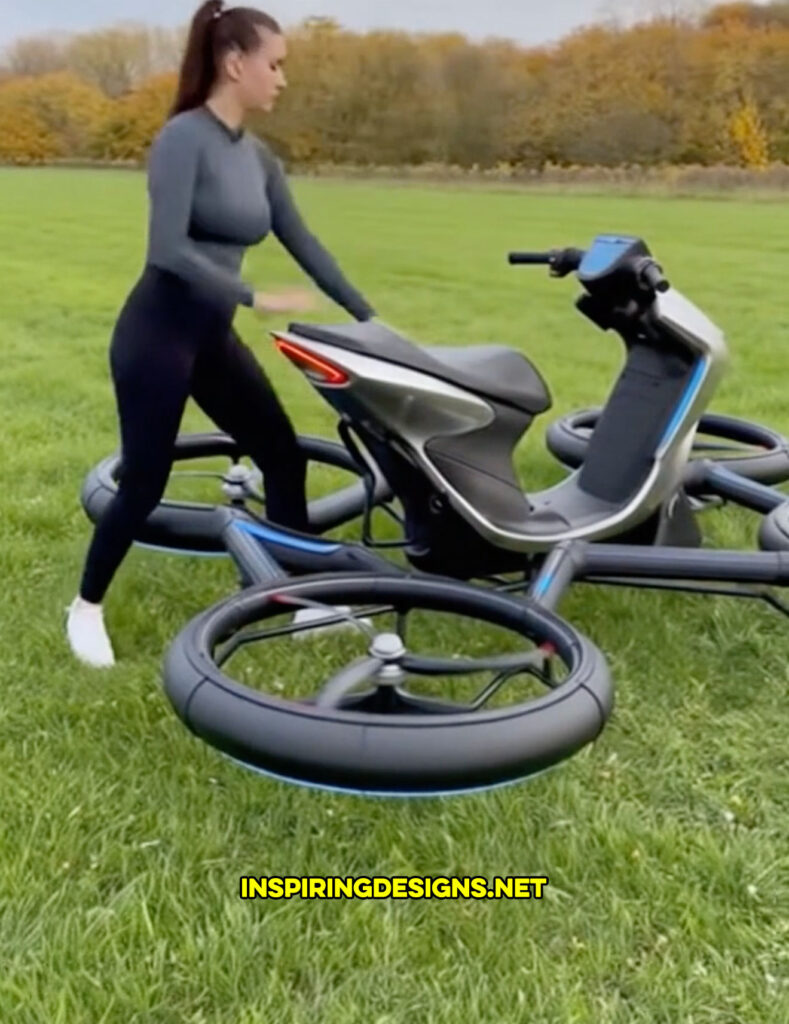
- Retractable or fold-flat landing legs
- Multiple ride profiles such as Beginner, Cruise, and Sport
- Geo-fencing and altitude caps to stay within local rules
- Emergency hover and one-tap auto-land
- Swappable battery packs for quick turnarounds
Typical Specs at a Glance
| Feature | Common Range Today | Why It Matters |
|---|---|---|
| Flight time | 25 to 40 minutes | Longer sessions for commuting and filming |
| Top speed | 40 to 60 mph | Enough for brisk point-to-point travel |
| Optimal altitude | 100 to 200 ft | Clear views while staying low and local |
| Length | 6 to 8 ft | Fits in a garage or gear bay |
| Rotor diameter | 24 to 30 in | Big discs add efficient, stable lift |
| Seat height | 28 to 32 in | Comfortable for most riders |
These numbers vary by design and local limits, but they offer a useful baseline when comparing models.
What It Feels Like to Ride
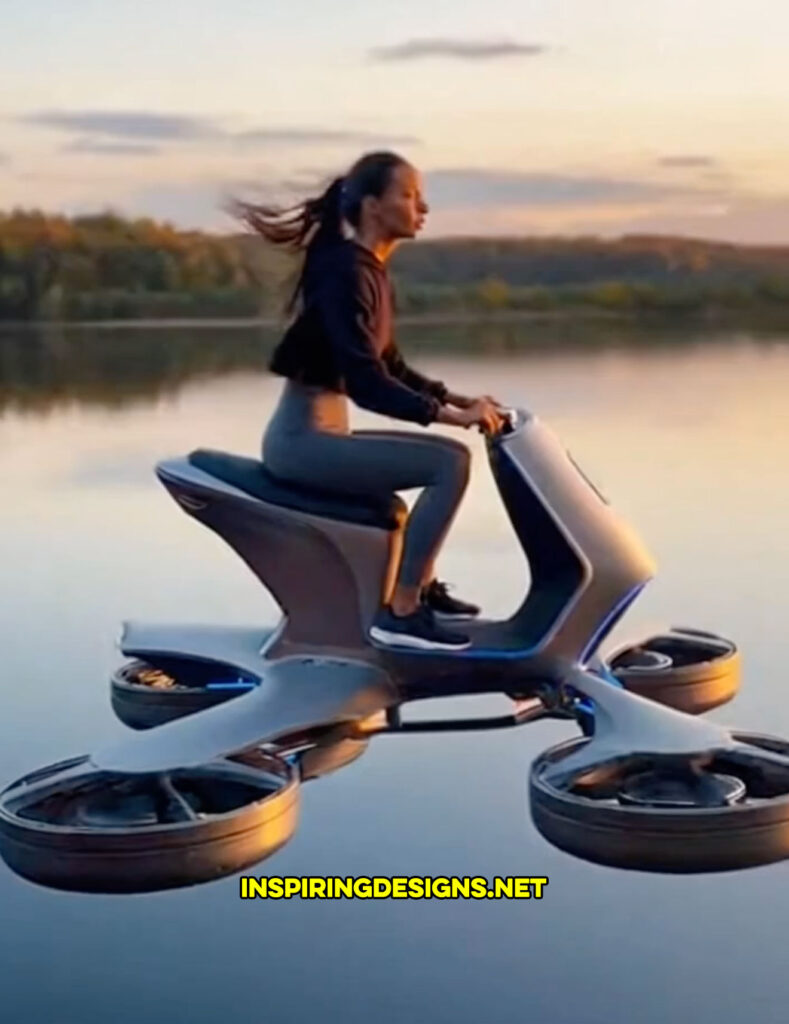
Scooter drones feel intuitive. You sit upright on a memory-foam seat, roll onto the power, and let the flight computer hold a steady hover. A gentle push on the bar leans you forward. Banking is smooth and surprisingly precise. The sound is a soft, futuristic whoosh that blends into city noise. On landing, the craft eases itself down and flares for a touchdown that feels as simple as setting a coffee cup on a table.
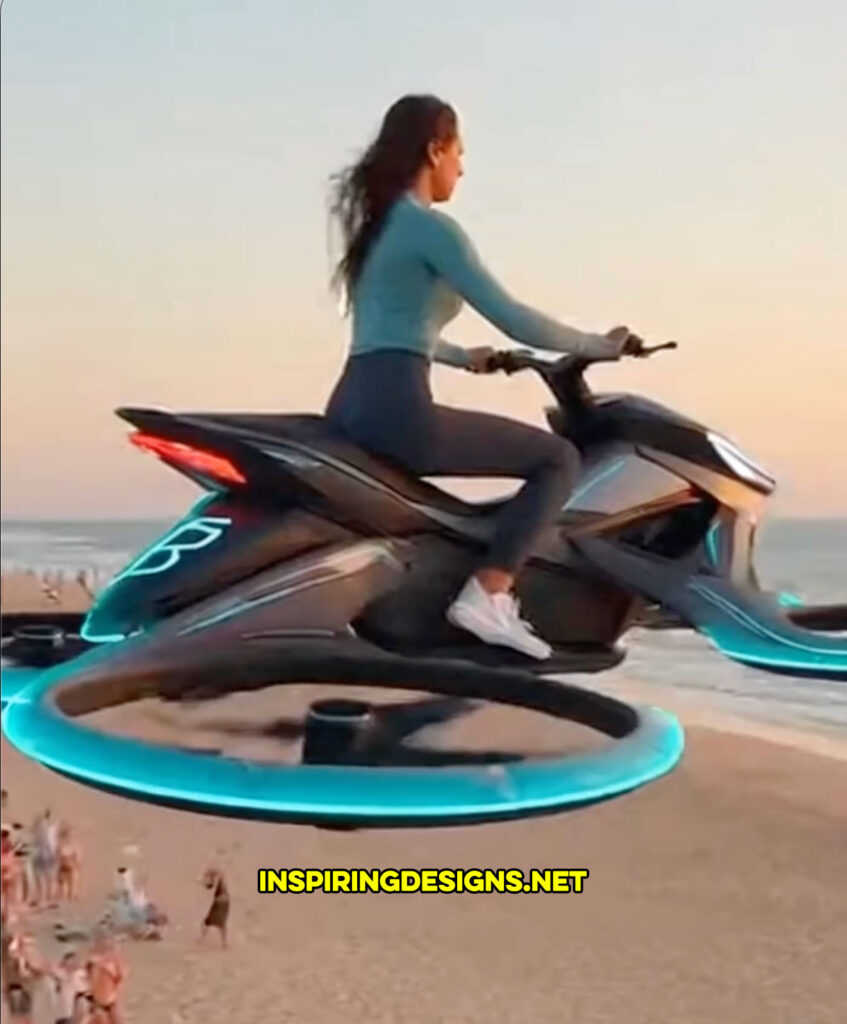
Use Cases That Make Sense Right Now
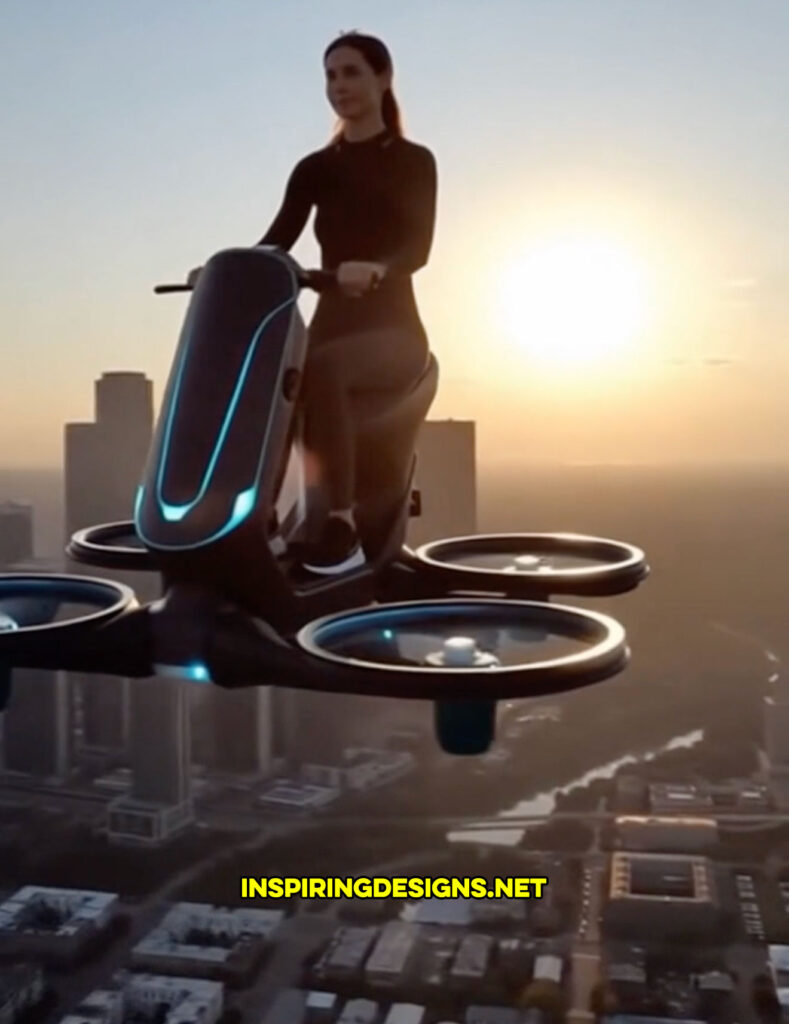
- Short urban hops between rooftops or private pads where permitted
- Large private properties where you need to move quickly without roads
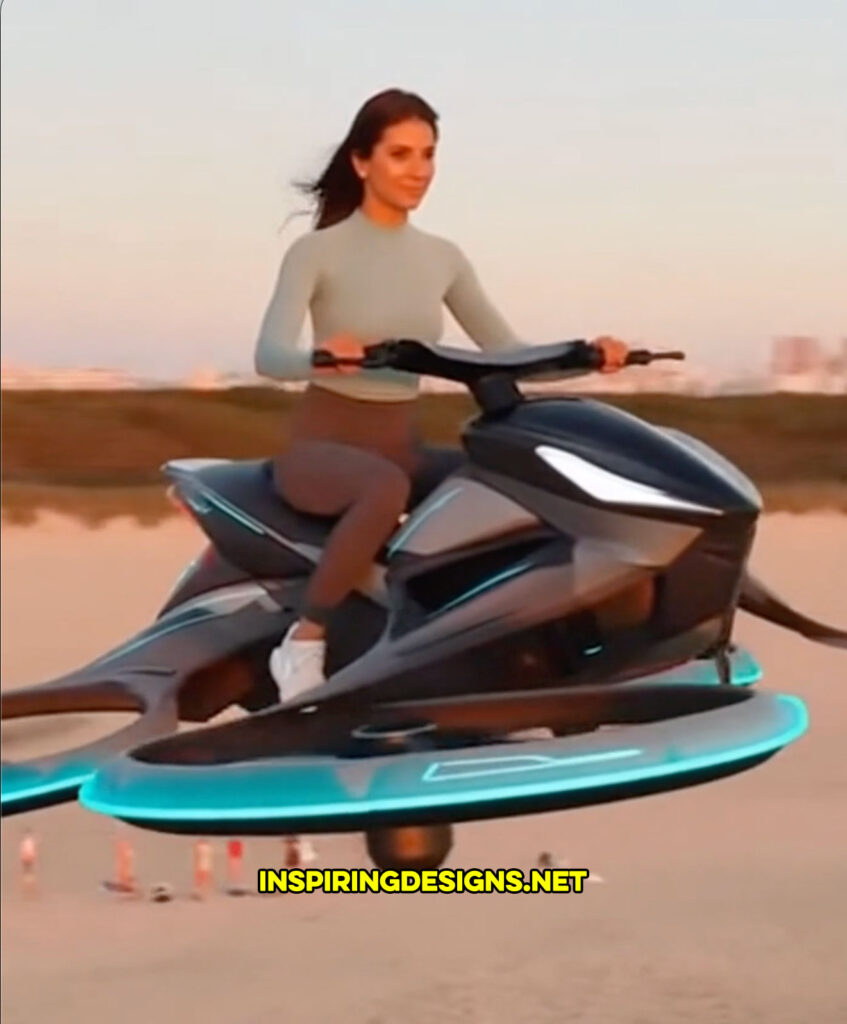
- Scenic rides over meadows, lakesides, and forest clearings in approved airspace
- Content creation for creators who want a camera angle only a rider-view craft can deliver
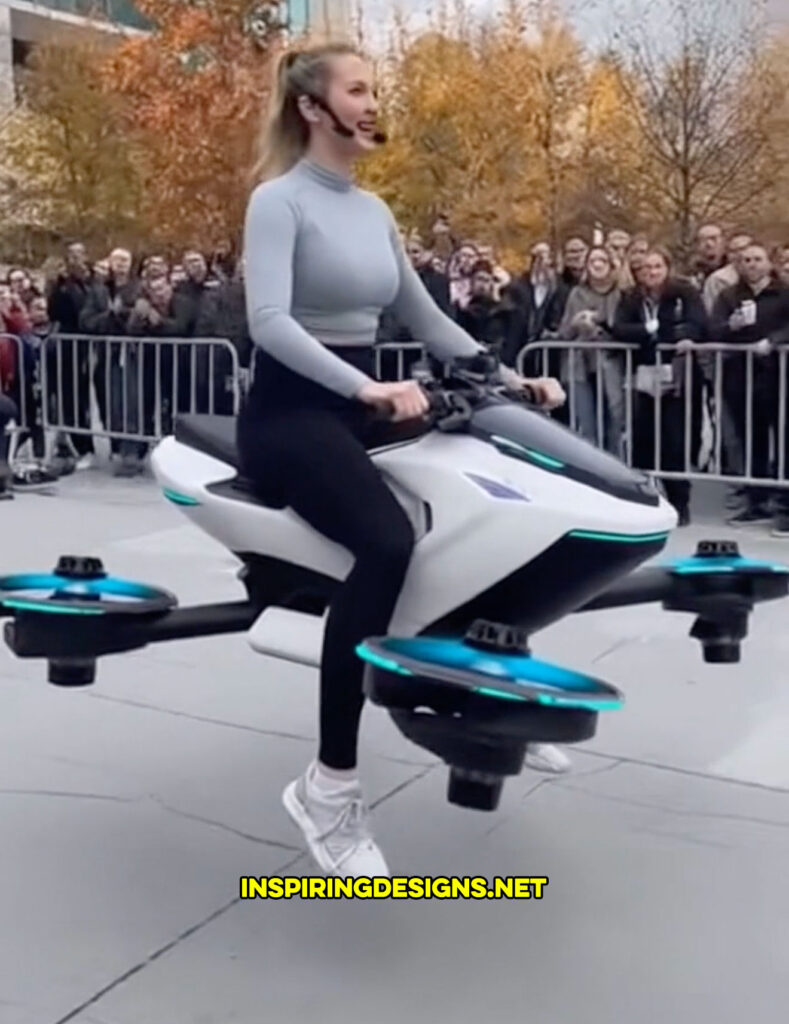
- Tech showcases and events where the craft itself is the star attraction
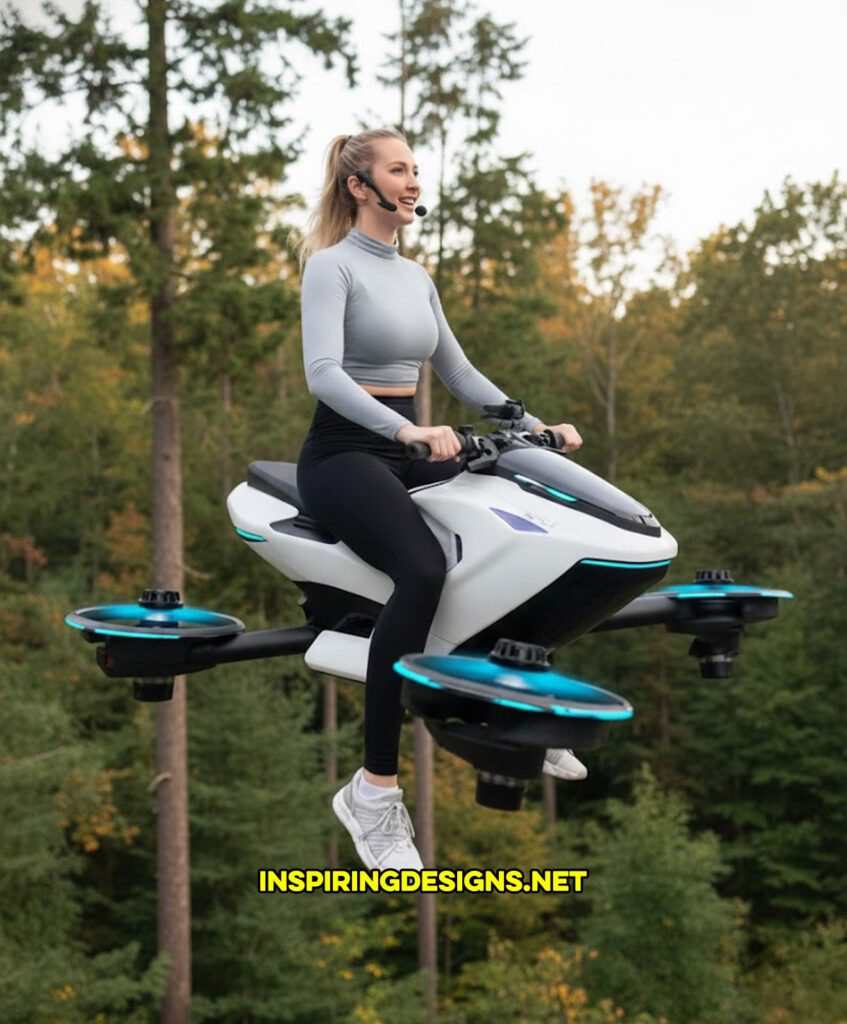
Safety Basics You Should Not Skip
- Helmet, eye protection, and rider suit for wind and debris
- Pre-flight check for batteries, rotor integrity, and software status
- Local flight rules including registration, altitude ceilings, no-fly zones, and privacy laws
- Spotter protocol in busy areas so someone on the ground watches for hazards
- Weather awareness because gusts drain batteries and reduce stability
- Emergency plan including auto-land and return-to-home
Comfort and Design Options
Manufacturers know half the fun is the look. Expect matte black, pearl white, metallic silver, midnight blue, and exposed carbon fiber with accent LEDs. Some shells use flowing, organic lines that glow at dusk. Others lean toward rugged, moto-inspired forms. Either way, it’s easy to match your style.
Scooter Drones vs Traditional e-Scooters
| Category | Scooter Drones | Traditional e-Scooters |
|---|---|---|
| Terrain | Air above obstacles | Pavement and bike lanes |
| Learning curve | Short with stabilization | Very short |
| Speed | High in clear air | Moderate, traffic-limited |
| Storage | Garage or small bay | Closet or car trunk |
| Regulations | Stricter air rules | Street and path rules |
| Wow factor | Off the charts | Familiar |
Scooter drones are not meant to replace your everyday sidewalk scooter everywhere. They shine where short flights beat short rides.
Buying Checklist
- Know your use case
Commuting across a river, or scenic weekend flights on private land? Your answer affects flight time, seat comfort, and navigation gear. - Check local rules
Confirm licensing, registration, and approved takeoff zones. Make sure you can fly where you live. - Compare battery options
Look for fast charging and swappable packs. A second battery doubles your day. - Inspect rotor protection
Ducted fans and robust guards reduce risk for you and bystanders. - Evaluate the control feel
Test both Beginner and Sport profiles. You want smooth inputs, not twitchy reactions. - Confirm service and parts
Motors, rotors, and arms are wear items. Make sure replacements are easy to order. - Think about payloads
If you plan to mount a camera, check the rated payload and vibration isolation.
Frequently Asked Questions
Are scooter drones legal to fly in cities?
It depends on your country, state, and municipality. Most places restrict low-altitude flight near airports, schools, stadiums, and dense neighborhoods. Check your aviation authority and city rules before buying.
How hard are they to learn?
Stabilization and altitude hold make them approachable. Most riders feel comfortable after a few short sessions in an open area using a Beginner profile.
What happens if a rotor fails?
Safety software can attempt controlled descent, but this is still a multi-rotor craft. Choose models with robust diagnostics, pre-flight checks, and maintenance schedules.
Can I ride on the street?
Scooter drones are designed for air operation. Many have foldable legs for ground handling, but streets and sidewalks remain the domain of traditional scooters.
How loud are they?
Ducted fans help reduce noise. Expect a soft turbine-style hum rather than a sharp prop buzz.
Styling and Customization Ideas
- LED patterns that shift color with speed
- Matte ceramic wraps to protect paint and reduce glare
- Integrated action-cam mount on the nose or under-belly
- Soft-touch grips and gel seat for longer sessions
- Minimalist graphics that accent curves without adding weight
Who Will Love Scooter Drones Most
- Tech futurists who want the latest personal mobility
- Urban explorers with access to rooftops or designated pads
- Drone hobbyists ready to step into rider-view flight
- Creators and videographers chasing dynamic angles
- Event producers who want a show-stopping demo piece
A Smart First Flight Plan
- Start on private land or an approved open field.
- Use Beginner mode with gentle rate limits.
- Practice hover, yaw turns, and slow forward flight at 15 to 30 feet.
- Land, check motors for heat, review battery usage, and repeat.
- Graduate to figure-eights and banked turns once you’re smooth.
The Bottom Line
Scooter drones are the most exciting leap in personal mobility since the first electric scooters hit city sidewalks. They combine the comfort of a small moto with the agility of a quadcopter and wrap it in styling that looks great parked or airborne. Whether you call them scooter drones, scooter quadcopters, or Vespa drones, the recipe is the same: compact airframes, ducted rotors, rock-solid stabilization, and a riding experience that makes everyday movement feel like a mini adventure.
If you’re ready to rise above traffic, keep it responsible, learn the local rules, and choose a model with safety and service to match the style. Then take a calm first lift-off and enjoy that smooth, weightless feeling as the city drifts quietly beneath your feet.
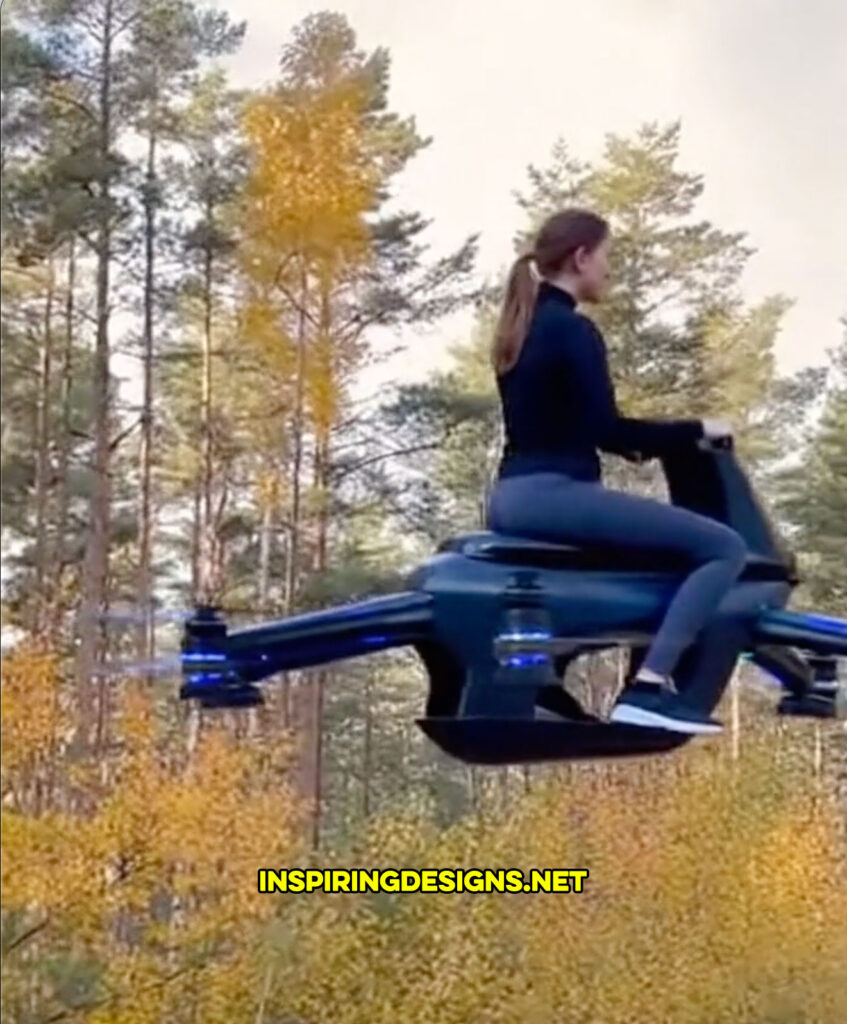
Lets see some pros vs cons to see if a scooter drone is right for you!
| Pros | Cons |
|---|---|
| Vertical takeoff and landing to skip traffic | Short flight time compared to larger eVTOLs |
| Compact footprint for garage storage | Higher upfront cost than ground scooters |
| Stabilization and auto-hover aid beginners | Stricter local airspace rules and permits |
| Ducted rotors improve efficiency and safety | Limited payload for gear or passengers |
| LED lighting increases visibility | Weather sensitive in wind or rain |
| Swappable batteries enable quick turnarounds | Battery cycles add long-term ownership cost |
| Touchscreen flight data and GPS navigation | Requires preflight checks and maintenance |
| Intuitive handlebar controls feel familiar | Learning curve for safe takeoffs and landings |
| Head-turning design for events and content | Noise still present in quiet areas |
| Retractable landing legs for easy ground handling | Needs designated takeoff and landing areas |